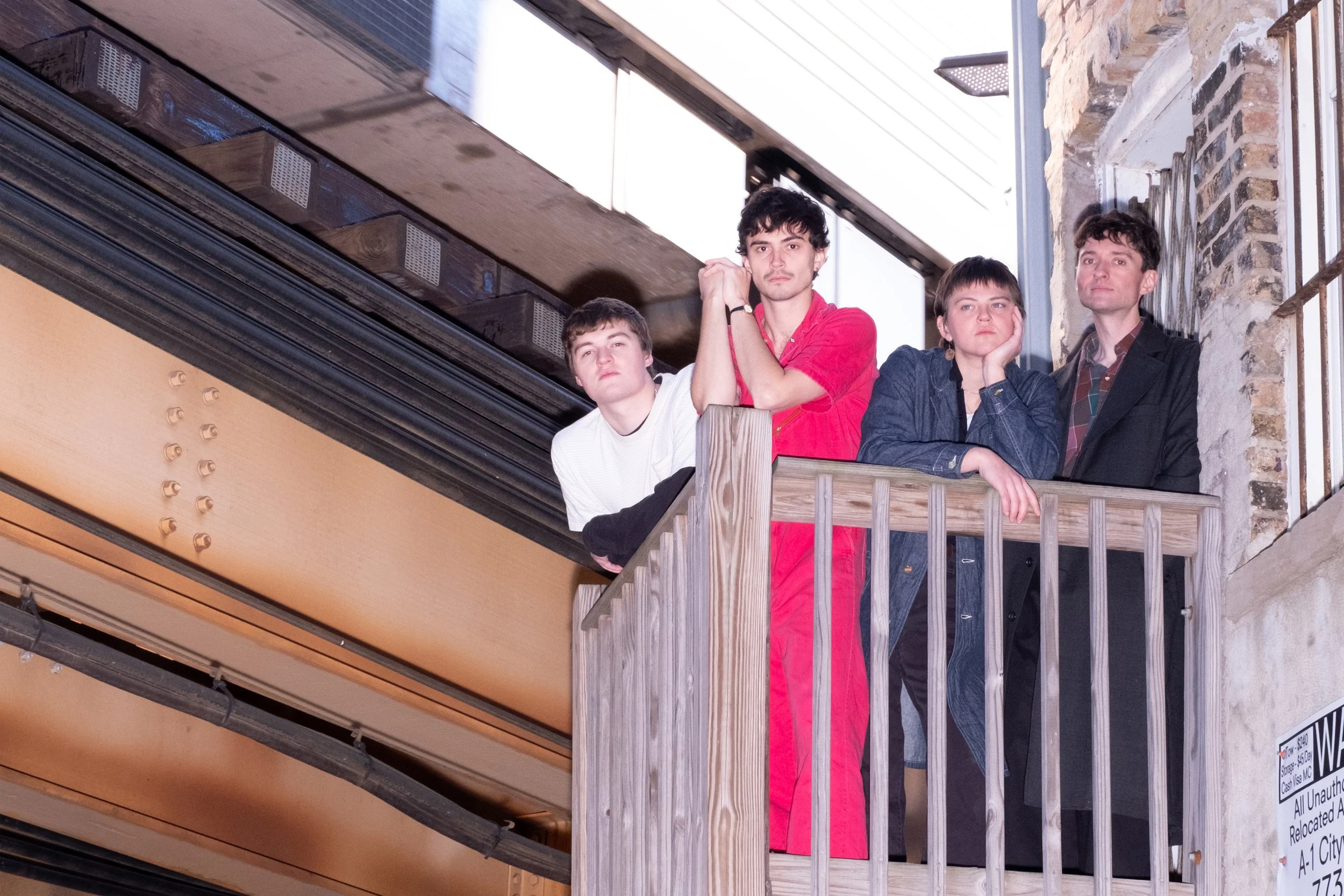
Broken Dreams Club Interview: Friko
Photo Credit: Adam Powell
After putting out one of the best albums of 2024—and one of the best debuts in recent memory—with “Where We’ve Been, Where We Go From Here,” the Chicago-based band Friko came into this year with huge expectations.
Fortunately, the four-piece unit more than delivered with the release of “Something Worth Waiting For,” a compendium of anthemic and inspiring indie rock treatises that chronicle the highs and lows of growing into one’s own. Very much in the vein of classic “life on the road” albums, the record captures the glorious ecstasies of a life in motion—whether it's witnessing a hot air balloon take off while sleeping in a parking lot of navigating a bike on ice-covered streets.
“Something Worth Waiting For” also details the listlessness and ennui that permeates a generation growing up in an age of Trump, climate change and AI, but the record has a beautiful beating heart—one that ultimately carries a message of hope.
Prior to the band’s September 21 show at the Rickshaw Stop, Broken Dreams Club spoke with Niko Kapetan, the chief songwriter and founding member of Friko, about his inspirations for the new album, working with the legendary indie rock producer John Congleton and surrounding yourself with people who make you smile.
Read more here:
So you guys are in the midst of this big American tour. I think you’re somewhere in Texas at the moment? How are these latest string of shows going?
They've been really wonderful. It’s been our second headlining tour since the second album came out in the states and I'm really looking forward to getting to the coast. We are just really in love with our live show now. I think it's head and shoulders above where we were last time, and it's exciting for people to see it.
How has the live show evolved, especially now that the band has moved on from being primarily a support to act to a headliner?
We travel with our soundboard now, so that adds a level of consistency to each one of those shows. Our monitors are all doing the same thing now, and we’re just a better band because we literally sound better in our ears. And we feel more energy from the crowd because of that. We were home for like six months not touring after the first record came out because we're so burned out, and during that time, we were always rehearsing and writing. So we had a lot of time to get better as a unit.
Prior to his American jaunt, you all were in Europe, and really for the past three years you have been touring almost nonstop. You’ve been to China, Japan, Taiwan—are you all pretty much game to go anywhere at this point?
We’re at that point where we're not too selective because we're still trying to explore everything as much as possible, especially when it comes to going to different countries. We just played in Taipei City this time, which was wonderful. I had some of the best food in my life there and that show was completely sold out. All the festivals in Europe were great this year—we just played a show in Italy that was maybe our favorite show ever. We’re seeing some of our biggest crowds ever, outside of our hometown shows in Chicago.
China and Taiwan are definitely off the beaten touring path. How did those shows come about?
We played Fuji Rock for the first time in July, and I think there were a lot of Chinese folks there. I guess we got noticed on RedNote, the social media site there, which helped us build up this really great following. We got an offer from a local promoter to play there, and we were just like ‘sounds cool!’
This kind of itinerant life from touring plays into your creative output, right? “Something Worth Waiting For” has this very nomadic feel to it. There are so many songs about travel and movement—"Choo Choo,” “Hot Air Balloon,” Dear Bicycle”—and even all the imagery of you all on bikes gives this feeling of constant motion. Is it impossible not to write about “life on the road” when that is such a prominent part of your existence?
Yeah—setting is always a big thing for writing music. We’re gone for months and you just pick those things up. “Hot Air Balloon,” was written about an experience we had on tour that was really impactful. Just sitting on a train or sitting in a van and looking out the window—those can be incredibly emotional moments for me, personally. When the first album came out, it was really from the experience of a local band, and obviously that experience has changed for us since then.
“Where We've Been, Where We Go from Here” is one of my favorite albums from 2024 and one of the best debut albums I’ve heard in years. I think for many people, the expectations for this album were exceptionally high, and you all definitely delivered. Did you notice additional pressure for this record than the debut, particularly given how warmly received that first album was?
Kind of. But I think when we all got back home, we all understood that it takes a certain amount of discipline to make music your career. And if you’re working on music as much as you can, you kind of block everything out—that’s all you really can do. And then you get to the point where you have enough songs to make a record. That’s just how it goes.
And the sophomore slump is a real thing for a reason. You seemed to pour so much into that first album—it’s essentially your entire life distilled into nine songs—with, I’m guessing, no real assumption that it would be listened to by a lot of people. How did you recalibrate for the follow-up album, knowing that you have to find new material and that there is a built-in audience now that is eager to listen to this record?
Adding [bassist] David [Fuller] and [guitarist] Korgan [Robb] to the lineup—having new members and people to work with, was a big part of that journey. And also just wanting to make new music constantly helps. You get to the point with the old music where you might still feel a connection to it, but you constantly need something to fill you up and feel more relevant to you. That first record covered everything in our life before that point, and the second record is everything. It’s obviously a more condensed part of your life, but I also think it’s just as interesting in its own right.
You mentioned David and Korgan being full time members. How did that evolution come about—from being just you and [drummer] Bailey [Minzenberger] to officially anoint David and Korgan into Friko?
It was all very natural. They were playing live with us and then we started arranging these live songs all together. We just all knew that this was the band now.
And for this album, you worked with John Congleton, who's one of the most revered indie rock producers around. How did you come about connecting with him, and what was it like recording with him?
We got word from the label that he was into the first record, and we all thought, ‘oh wow, that’s big.’ And so we were with him and it was just an amazing first experience. He’s a laidback guy, but he’s also a little crazy in a great way. He’s a great person, though. He keeps it simple, and I think that’s good for artists, because we need to know when to go and when to stop, and he’s always on top of that.
“Where We’ve Been, Where We Go From Here” felt like it had all the kind of urgency and immediacy that I love in an album—this idea that the stakes are so high—and I love that Something Worth Waiting For starts out with “Guess,” which has the same kind of urgent, manic energy. Was that an intentional decision to open the album with that track—to keep the momentum from the debut?
We kind of immediately knew it would be the opening the record because it just felt it didn't work anywhere else, based on our live shows. We just started playing that song first for our shows and we could see right away that it fit perfectly as an opener.
There are so many epic songs on this album, but “Seven Degrees” really feels like the statement piece of this record—a foundational part of the album. I love Friko because you incorporate so much of my favorite indie rock sounds, but this song in particular feels inspired by classic rock acts, most notably the Beatles. Were they an influence on the album?
The Beatles and David Bowie were definitely big influences. I grew up listening to those kinds of acts and they will always be a part of me. So much of how I think of melodies and chord progressions can be traced back to bands like the Beatles. When it comes to production, they’re a huge influence as well. It’s impossible for them not to influence my writing.
The title track seems to revisit many of the themes you touch upon in the debut album—this sense of waiting to be inspired, of hoping to be hopeful. Not to get too mordant here, but as a young person, coming of age in the time of Trump and climate change and fucking AI, how difficult is to be optimistic about the future?
I think that for anybody, when you're living your actual day-to-day life, that's all that you're experiencing. It’s the kind of thing where you have to focus on what’s around you. Your happiness in so many ways is dictated by the people around you. If you surround yourselves with good people and create the settings and opportunities that you want to aspire to in your own life, you can make it through the day. I think that’s the only way to do it, really. And stay off social media. I’m done with that now.
And I love that “Dear Bicycle” closes out the album. It’s really a song unlike any other in the Friko catalog—very amorphous and winding and nonlinear. Again, going back to track sequencing—was it deliberate to end with this song, as a way of maybe previewing the possibilities for the next album?
Definitely. That song really is a reflection of our live show. When we play that song live, it goes in this loop that you could really extend forever. And we’ve been doing that in our live show—just improvising more and more—dragging out the song for as long as possible to see where it goes. I think we definitely want to be more open-ended moving forward, not just with the music, but for me personally, with lyric writing as well.
I wanted to talk about Chicago, which has this really amazing young indie rock scene. Friko, Lifeguard, Sharp Pins, Horsegirl—the City just seems to be brimming with creative juices at the moment. How much inspiration do you get from your fellow local artists?
There was definitely an element of influence, because when we started out, we were all playing together all the time. None of us were touring. But now it’s so great, because we see these guys out on the road together. We just played a show in San Sebastian, Spain with Horsegirl that was absolutely amazing. It was such a unique experience and it was so great to see how good they were. All these bands are getting better and better at what they do. We’re all doing our own thing, the best that we can do, and I think that’s pretty inspiring.
Looking ahead to this September 21 show at the Rickshaw Stop. Are you excited to be coming back to San Francisco? Do you feel like you always get a nice reception here?
We can’t wait. We love San Francisco and, like I said, we’re just getting better and better live. Not that our last time wasn’t good, but I think we’re going to be a lot better this time around.
You all are basically touring through the end of the year. Do you have live plans for 2027? Or will you be getting back to the studio soon for LP3?
We will be writing this in the winter because we don’t really tour during the winter anyways. And then we will be going abroad for some more shows in 2027 as well as writing and recording our next album. We’re planning on staying really busy and I think we’re all just excited for what’s next.
Show Details:
Friko with villagerrr
Where: Rickshaw Stop
When: 8 p.m., Monday, September 21
Tickets: $33, available here.
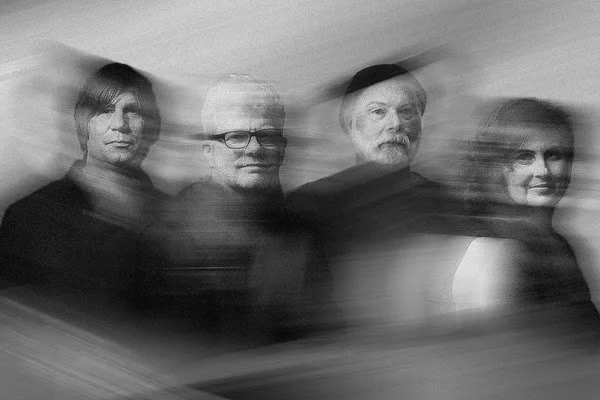
Broken Dreams Club Interview: The New Pornographers
Photo Credit: The New Pornographers
On March 27, Canadian indie rock legends the New Pornographers released their 10th studio album, “The Former Site Of.” The release came after a tumultuous period for the band, following the arrest and conviction of drummer Joe Seiders on possession of child pornography.
Understandably subdued and emotionally complex, “The Former Site Of” eschews the through-the-roof choruses and ebullient flourishes of the band’s past efforts, instead focusing on setting a distinct mood and atmosphere. The album is an undeniable success, a clear distillation of a band evolving from its easier power-pop roots into something broader and harder-to-define.
Broken Dreams Club spoke with the New Pornographers’ chief songwriter, A.C. Newman, about moving on past the group’s recent tribulations, keeping their band name, appreciating music and fans more than ever, and revisiting San Francisco, where he essentially lived off and on for a year.
Read more here:
So, you’re now about two weeks into this big North American tour. How are the shows going so far?
They’ve been really great, you know? We’ve never been so well rehearsed, because our first three shows were Boston, New York City and Philadelphia. We felt like we couldn’t learn as we go with those shows to start the tour. We had to be in absolute fighting mode. We did basically twice as much rehearsing as we normally do. But it was great to just jump on stage for your first gig and feel really confident.
Just like the New Pornographers, I’m a huge fan of Okkervil River. How did you all connect with Will Sheff for this tour?
Will is a good friend. He lives in LA and we live in Woodstock, so we don’t get to see him as much now. We have a cottage on our property and there was a point where he and his girlfriend were in the process of leaving New York and they were kind of in this in-between living situation. So, we just said, come live in our cottage. They ended up staying for six months. It was this amazing experience. I consider him one of my really good friends, so it’s nice to spend this month together.
You played a few shows last month, and now you’re in the middle on this big tour. How nice has it been to get out in front of fans after what has been a tumultuous two years for the band?
It’s been good—then whole experience has been kind of sobering. I felt like a drunk person who sobers up and got a little bit of clarity. You really see what you have to appreciate in the world. These past two years really made me appreciate music more. It made me go onto this tour with this attitude, of ‘I'm looking forward to doing this, and I like playing music with my friends, and I think we're really good.’ If there’s less people because of what happened, well, I can't control that. But that hasn't been the reaction at all. I’ve felt, for lack of a better word, a certain amount of love. There is this kind of, ‘we got your back, man, we haven't left you’ feel to the audiences. And I appreciate that so much. It’s a real thing that I've never really felt before. I mean, sometimes people are on stage and you see a lot of fake sincerity. But for me, right now I feel like putting my hand on my chest and saying, ‘oh my god, you're still here, thank you’ after every show.
I’m not sure how much more you want to delve into the arrest of Joe Seiders, but, if I could ask—did the thought ever cross your mind of ditching the New Pornographers name and just moving forward as A.C. Newman?
In the initial couple of days after it happened, everybody was like, ‘well, you can't call yourself that name anymore.’ And then it all passed. You realize people have forgotten a month later—people can barely remember it happened. I was talking to Eleanor Friedberger a little while ago and she was asking how I’ve been and I said, ‘well, it’s been a crazy year.’ And she had no idea what I was talking about. I told her to Google us and you’ll figure it out. It just doesn’t feel that important anymore. I mean, obviously it was a horrible thing, but it's nothing I want to dwell on. I also don't feel the urge to avoid it. Yeah, it was horrible for everybody, but we got through it.
Ok—let’s talk about this great new album, “The Former Site Of.” The album title and even the font on the album cover seem meant to delineate the difference between the New Pornographers of 2026 and those of 2000. This album is more subdued and emotionally ambiguous. I’m assuming it would be disingenuous to try and constantly recreate the feel and tenor of “Mass Romantic” at this point in your career, right?
Yeah—I've realized there really is no reward for that approach. There have been songs I’ve written in recent years that I’ve been convinced people will like, and that’s never been the case. And I don't think this album is any more subdued than “Challengers,” but maybe it’s more subdued than “Mass Romantic.” But when we’re playing songs from this album they seem to flow seamlessly with songs from our back catalog. To me, it feels very fluid.
The album feels pretty drenched in this kind of gallows humor. ”Wish You Could See Me I’m Killing It,” has this hyperbolic title which contrasts with this very quiet, almost somber song, and the album opener, “Great Princess Story,” kicks off the record with this line “quite a view from my deck chair/Sailing on this ship of doom.” Were you in a particular mood of not suffering fools when writing this album?
A lot of people have said this record is kind of downbeat, but for me, it was really about travelling through tragedy. It’s a record of not dwelling on things. It was about accepting bad things have happened, looking straight at them, and then moving on. Maybe that bums people out, but I actually think this is a hopeful record. “Great Princess Story” is meant to be this dark comedy about a woman stuck on a cruise ship during Covid. I was really trying to write like Nick Lowe for that one. He has a great way of writing songs that are funny, but aren’t comedy.
There are also these poignant moments of resilience. ”Pure Sticker Shock” has this very quiet but important message about your self-worth. Was it important to include songs on this album that reminded yourself and others and your value—to almost act as a positive mantra for the band? A reminder of how meaningful the New Pornographers are to so many people?
I mean, I appreciate that. I try to remember that it doesn't matter if you're the most popular band, as long as you have your own niche. I have a son who’s 14 years old and when I’m around him, it reminds me that everybody doesn't need to love you, but you do want this one person to love you. The people you care about are the ones that matter. It’s so important to appreciate everybody that's in your life, and not spend your life trying to convince more people to love you.
The album is this test case of the power of restraint. The songs build and gather momentum without this big crescendo. Did you try to maintain that element of suspense—to show how songs can be emotionally powerful and cathartic even without that big soaring moment?
I think so—it was also just this kind of instinct I had for the album. I found myself removing things at the end of the record. I wanted to boil it down to just essential things—to get rid of all the unnecessary detail. If I could turn something off and not feel anything was missing, I would leave it off.
Synths have always been a part of the power pop formula for New Pornographers, but they really take on a more noticeable and profound presence on the “Former Site Of.” They’re more about setting mood and atmosphere than about adding to this cacophony of sounds like they have in the past. Was there a new emphasis on exploring how these electronic elements can be used to create this specific feel on the album?
Well, I haven’t really studied our albums, but I think in the past, we were very much a rock band that would just add synths over the top of everything. But for this album, the synthesizers feel almost like the rhythm section. I wanted to have these folks songs that were really driven by synths, kind of these Americana psychedelic songs. I think of songs like ‘Wichita Lineman.” That’s very much an Americana song, but also this weird psychedelic song as well.
The title track is a pretty epic way to close out the album, and if you look at the lyrics too closely, one could almost see it as a swan song for The New Pornographers. Was that intentional? Do you see this as a coda for the band? (I’m really hoping that’s not the case.)
With that song, it really had to be the first or last song on the album. I thought “Great Princess Story” and “Former Site Of” were good bookends. We ended up closing with “Former Site Of,” but that wasn’t supposed to be any commentary on the band. The song is about a town getting buried underwater, because America has to expand. It was saying how we as individuals are being sacrificed to the country. This unstoppable growth.
Because of some of the band members, you’ve been dubbed a “supergroup” for decades, which I’m sure gets annoying (and apologies for bringing this up again!) Neko Case is a strong presence on this album, but Dan Bejar is absent. Did you reach out to him at all about participating in this album or was he just too busy with his solo thing?
It’s weird, because Dan and I are friends, but he basically left the band at the end of 2000. He went to Spain and I thought, ‘well, I guess he's gone’. And then he came back in 2002 and I said, ‘since you're back, you want to be on the next record?’ And he said, ‘sure’. It’s kind of always been the case of nothing being written in stone with Dan. He’s a friend of mine and we talk and text on a semi-regular basis. I know he’s got his own thing. There’s always been a good dynamic between us, because I always know where he stands and I don’t try to push him on anything. So we just didn’t connect for this album.
Are you excited to be coming back to San Francisco? Do you always feel like you get a nice reaction when you play here? I first saw you guys play with Belle and Sebastian at the old Concourse Design Center here—it was an amazing show.
I love coming back to San Francisco. Before I met my wife, I was dating a woman in San Francisco, so I basically lived here for about a year. I would just wander around by myself, because it’s such a walkable city. I just love the vibe of the place. Every time I come back I always visit my favorite breakfast places. I love Zazie in Cole Valley. And Mama’s in North Beach.
Do you know anything about the Castro Theatre? It’s a historical movie theater that was recently renovated.
I've never been there. I know where it is and I can picture the neighborhood around it and what it looks like, but I've never been inside. I was always sad that I never got to see the Wizard of Oz there. Sounds like it was a real experience.
You’ve got tour dates lined up through the end of May. What’s the rest of the year look like? Will you be playing more shows?
Yeah, we're doing another three and a half weeks of touring in September. We will be hitting places we didn't get to this first time around. I don’t know if we’ll be doing Europe and the UK. I just kind of go where I'm told, and when I go home, I just keep working on music. That's kind of my life.
Show Details:
The New Pornographers with Will Sheff
Where: The Castro Theatre
When: 8 p.m., Monday, May 11
Tickets: $58 - $126, available here.
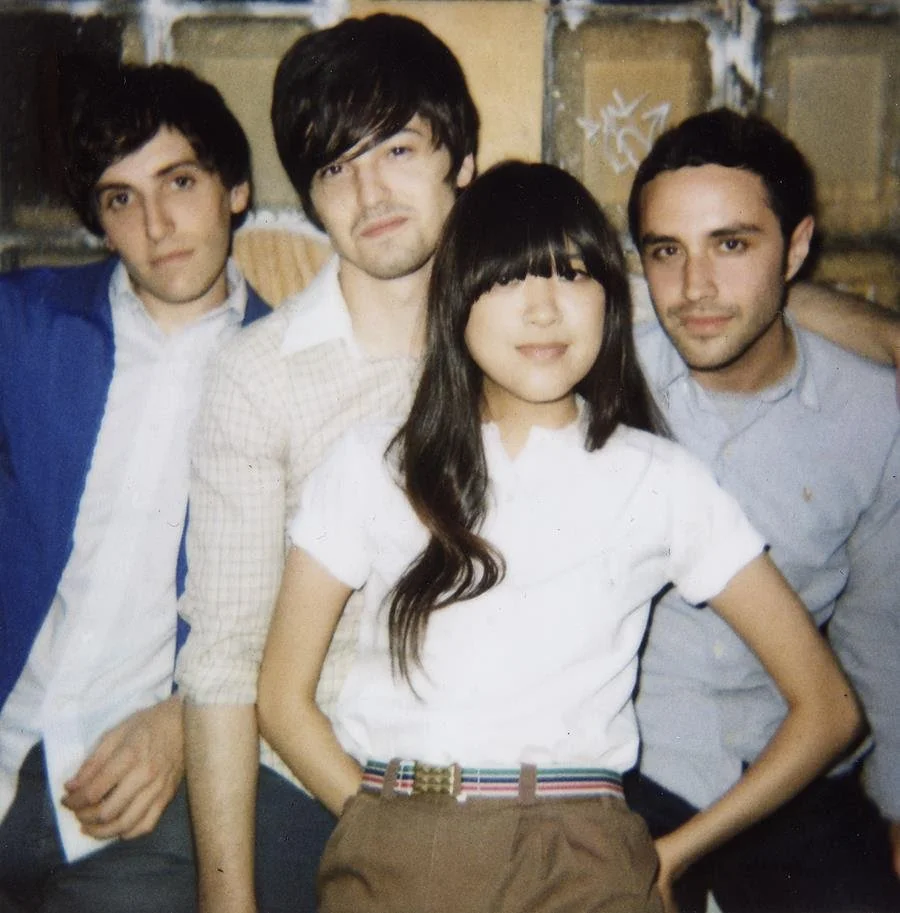
Broken Dreams Club Interview: The Pains of Being Pure at Heart
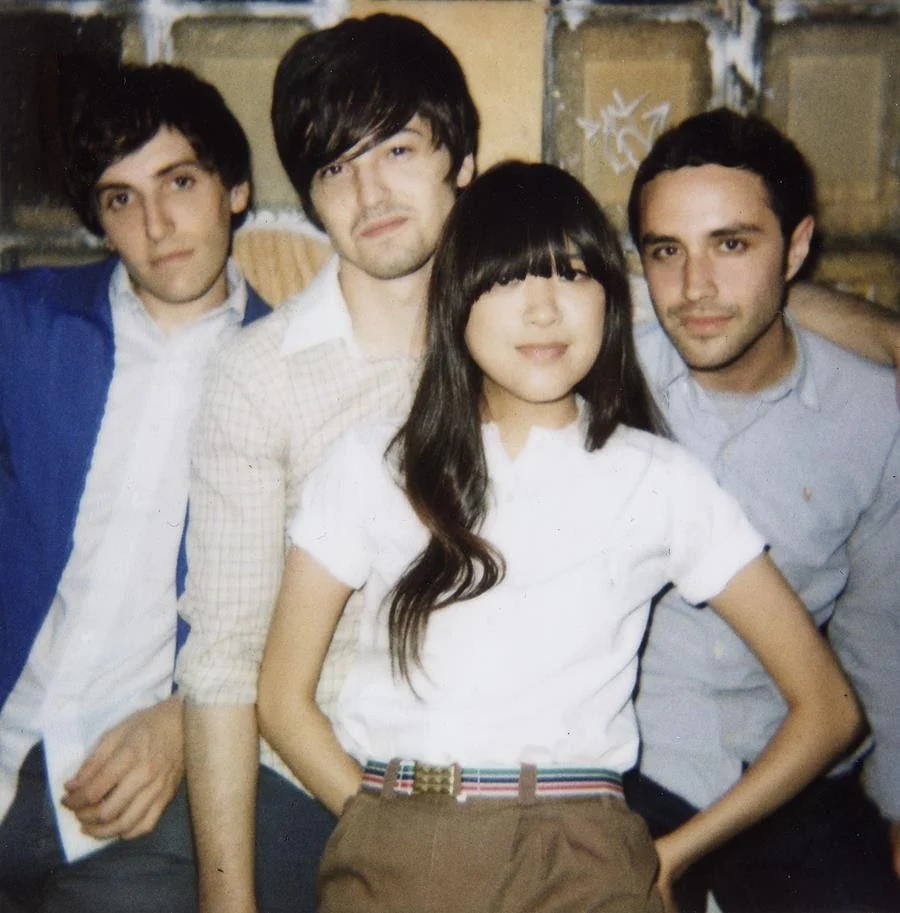
Photo Credit: Pavla Kopecna
After breaking up in 2019, the Pains of Being Pure at Heart re-formed last year to support the 15-year anniversary of their beloved debut album. The dreampop band, signed to Oakland’s Slumberland Records, has a unique kinship with the Bay Area, as their influence is clearly found in the cohort of janglepop groups populating the current local music scene.
On February 19 and 20, the band will return to San Francisco for their first shows in the city in nine years, when they headline two performances at the Rickshaw Stop as part of the annual Noise Pop Festival. They’ll be supported by a collection of amazing Bay Area bands, including Cindy, Chime School and Still Ruins.
Broken Dreams Club connected with Kip Berman, the Pains of Being Pure at Heart’s founder, vocalist and guitarist, prior to the group’s SF shows:
The Pains of Being Pure at Heart have this string of West Coast dates lined up for this month. How are you all preparing for this latest tour?
Kip Berman (KB): We made some shirts, rented a minivan, booked some Motel 6’s, we’re mooching amps and drums from friends…So, I think we’re “prepared.”
You all toured so extensively in 2025 after not playing live (in any iteration) for seven years. What was it like playing those shows? Did things fall back into place seamlessly—we're you all able to pick up right where you left off, or did it take a little while of playing together for that chemistry to return?
KB: It was super cool just being around each other– and I was kind of surprised to see people were still into these songs, which are now pretty old. And thankfully, we didn’t forget how to play the D chord.
You announced that Pains was breaking up back in 2019. What prompted the decision to return to this project? At the time you announced the breakup, did you ever anticipate that the band could re-form in some manner?
KB: No, not really. When my daughter was born in 2016, I was focusing on being home with her and not thinking about much else. We tried to do a couple two week tours in 2018, but it was just too soon and felt kind of weird to be away. Then my son was born later that year, and I was just focused on that and kind of figured playing PAINS shows wasn’t going to happen anymore. But it wasn’t a sad feeling, ‘cuz it seemed like we had gotten to do way more cool stuff than many of the bands that we looked up to– and it wasn’t ending for a sad or tragic reason, but pretty much the opposite.
Coming together again was likewise ,“not thought through too much.” We got asked to play some shows in Spain, and now that my kids are a lot older (They’re now in 4th grade and 1st grade) it seemed like it was actually possible to be away for a little bit. And when I asked the other PAINS about it, they were into it. But still, I don’t want to go away for a too-long time.
You also returned with the full original lineup, featuring yourself, Peggy, Christoph Alex and Kurt. How important was it for Pains to come back with all those members contributing to this second act?
KB: Man, I think it’s been so wonderful they’ve all been into playing, I really appreciate that. I think creatively, it makes a difference. ‘Cuz when I write songs for PAINS, I’m trying to impress the other PAINS. I’m not a great judge of my own stuff, and I’m usually really negative. I think that’s ok, but sometimes it just stops me from doing stuff. So having them around makes me inspired to try to write songs that they think are cool. I won’t show them stuff unless I think it’s worth their time.
Had you been keeping in regular touch with your former band members since the band broke up?
KB: I think the first time we all hung out was actually for a Depreciation Guild (Kurt Feldman and Christoph’s band) reunion show in NYC in 2023, and it was fun. Sometimes I worry that reunion shows are sad– and I have seen some sad ones, for sure. First off, it was “definitely not sad” to see Depreciation Guild play again, cuz they sounded great. And that made me realize getting a band back together can be a cool thing– like, I was just really happy to hear those “Preesh” songs again, and maybe people would feel that way about PAINS.
But also, it was good hanging out with everyone that night, and we partied the next night at Kurt’s and it was just… cool, ya know? I know it’s weird, but PAINS was always more about people that were hanging out anyway and “wanna start a band?” than people who came together to start a band. So yeah, I’m glad the feeling was still good between us all.
How easy was it to track them all down to see if they’d be interested in getting the band back together? Was everyone enthusiastic about the idea?
KB: I mean, no one was exactly off the grid, lol. It would be funny if Peggy was like, living in rural Wyoming or something– growing root vegetables and raising alpacas that look like Jim Reid. And I’d have to drive out there and be like, “Peggy, the band needs you.” And she’d be like, “I’m sorry, but the Jim Reid alpacas need me more.”
And just going back to the beginning for a moment. How did you all meet? Did you kind of instantly know that you wanted to create art together with these people?
KB: I drove to New York from Portland with my best friend, Danny Taylor (he’d go on to record some of our early stuff and even drum with us on tour for a bit). I’d been working the graveyard shift at a call center recharging people’s prepaid calling cards and cell phones and playing in bands that never really got anywhere. I loved The Exploding Hearts a lot and a guy at my work, Alex, also liked them, so we bonded over them and The Dirtbombs, Reigning Sound, and a lot of the cool Goner Records and In the Red Records type bands like that. He showed me the My Bloody Valentine Sunny Sundae Smile EP, and I had never heard that era of the band and I was totally into it. Maybe too much, hahaha.
And I met Peggy through a mutual internet friend, Shirley (she did an amazing public access tv show called NY Noise), and I don’t know why we got along so well, but we did. We’d make road sodas and go out to shows at Cake Shop to see bands like Pants Yell, Crystal Stilts, My Teenage Stride, and The Besties, and this cool indiepop dance party called Mondo. Afterwards, we’d go back to her place and just hang out and listen to music – and eventually I’d just pass out on Peggy’s couch and then somehow get to work the next day… and then do it all over. It was like falling in like.
One of the things Peggy and I bonded over was a lot of the Swedish indiepop on labels like Labrador and Sincerely Yours– and we soon learned we had both been obsessed with this New York band from the late 90s/00’s called My Favorite. I think we were their only fans left on earth at the time, but they were THE BEST. They’re up there with The Prids as bands that should be ubiquitous posters on sad teenagers’ walls in some more just universe.
Anyway, Peggy and I had both become hyped on this new band from Leeds called The Manhattan Love Suicides. They had put out a record on Magic Marker Records, which was the label based in the house where I used to go to indiepop house shows back when I lived in Portland. Normally the label put out very sweet and cool indiepop stuff like Dear Nora, All Girl Summer Fun Band, Kissing Book, even the early Voxtrot 7” singles… but this new band was different from that. It was really noisy and nasty sounding, like if a bad babysitter was fronting the Jesus and Mary Chain– it was kind of sinister and sweet. I dunno, we were pretty obsessed and wrote them fan mail. They wrote back! We asked them to cancel one of their upcoming New York shows and let us throw a warehouse party for them instead. They weirdly agreed.
We had no idea how to actually do that, but we did it anyway. I had a friend who was (maybe?) squatting in an old abandoned warehouse who said we could throw a party there. Anyway, Titus Andronicus played too and we decided to start a band to open the show. We wrote about 5 songs, the titles were longer than the songs, and we played for about 10 minutes. Then we drank vanilla vodka and danced all night and fell asleep somewhere in the warehouse. But we picked up the trash the next day, cuz I guess we weren’t total dicks. I remember opening the warehouse doors the next morning and it was soooo bright, and I felt a bit… not great… but also it seemed like the world we were stepping out into was different than the day before. Maybe that’s super corny, but it seemed kind of like something was starting.
We played as a 3 piece for a while with an iPod mini as our drummer. That was ok, but Peggy suggested we ask my roommate Kurt to play drums. Now, I make a big thing about “none of us really knew how to play when we started,” but Kurt was actually really good– and of course he’d say, “actually, drums aren’t really my instrument”-- but he was amazing at drums anyway, and really transformed our sound in a cool way. People reading this should check out the music he’s made subsequently as Ice Choir, he’s such a lunatic and an actual genius. So good.
The debut album sounds so fully formed—almost like it was meant to exist on Slumberland Records. What was your introduction to that label, and how did you end up connecting with Mike and the team about putting out your release?
KB: Peggy and I have been fans of the label since we were actual teenagers. Velocity Girl, Aislers Set, Black Tambourine, Lilys, Rocketship–basically every band they put out was great, and so when the label became active again, we got to be friends with Mike by bugging him on Myspace. Eventually he asked us to open for a band called The Lodger at Cake Shop, and he came to the show and drank too many beers and thought we were cool. Mike’s the best, he really runs his label with a disregard for capitalism, he just puts out records he likes and tries not to lose too much money on them. I don’t think we’ve ever even signed anything with him, but he always treats us so great. I’m glad we’re part of the Slumberland family! I’m also excited about the new bands he is putting out, like Tony Molina, Jeanines, Laughing Chimes, The Cords, Lightheaded… anything he thinks is worthwhile is usually cool in my book.
Were there specific bands on the Slumberland Records label that inspired the Pains’ sound?
KB: I think Aislers Set for sure - that song called “The Walk,” which is outwardly really pretty 60s pop, but Linton is singing pretty candidly about a life of open container violations, jumping turnstiles, and rhyming “watching porn for hours” with “back in the shower.” And it’s all through this lens of sympathy, of understanding, of solidarity. It sits somewhere between Lou Reed and Mo Tucker, an amalgam of tenderness and filth. And also, Peggy and I loved the Velocity Girl song “My Forgotten Favorite,” which is on the Clueless soundtrack, which is an amazing tune. I always like the dirtier, weirder side of indiepop more than the overly twee stuff - that’s why the Glaswegian bands like The Vaselines, Teenage Fanclub, Close Lobsters, The Pastels, Strawberry Switchblade, Orange Juice [they’re not from Glasgow– but Postcard Records was], JAMC, always were so cool. It was kinda dirty and sweet together.
And I think Slumberland always had noisy, weird kinds of bands, not just the “virtuous” or “correct” kinds of indie bands. There was usually something more going on… I mean, “Throw Aggi Off the Bridge,” ya know? It’s funny.
The reception to that first album was overwhelmingly positive. Pitchfork awarded the release its Best New Album rating and it was overall just a really critically acclaimed record. At the time you were writing the album, did you have an inkling that you were putting something special together? That it would resonate the way that it did—with fans and critics alike?
KB: Definitely no. I remember thinking it wasn’t good enough before it came out, and I was writing the songs of Belong as a sort of “well, if this doesn’t go well, we have these other songs too we could do.” Peggy and I even talked about, “maybe we should scrap the first record, and just focus on these new songs instead.” But I’m glad we didn’t do that.
What was it like revisiting that album as part of the 15th anniversary tour last year? Do you still have fond memories of that album? Is it strange at all to play songs from a time in your life where your circumstances were so different?
KB: I like the songs a lot. I feel really happy playing things like “Everything With You” and “Come Saturday.” I think there’s something really cool about playing a couple chords really loud and just feeling that rush… it’s like the purest feeling, just three minutes outside your own body, it feels weightless.
And “Belong” really reached—if not surpassed—the heights of the debut album, which was no easy feat. What was it like writing that second album, now that you probably felt like the extra weight of expectations?
KB: That’s kind of you to say. We wrote a lot of that record before the first album came out, kind of thinking that maybe the first record “wasn’t good enough.” The one thing that’s hard to convey now is how “weird” it was for us to do that record at all, I mean the way we recorded it and tried to make it sound. At that time, everyone was trying to do purposefully “lo fi” recordings– and the idea of thinking James Iha in shiny pants was the coolest thing in the world was… an unusual perspective at that time.
With Belong, we just wanted to show the kind of lives we had lived and the kind of people we actually were. We weren’t from Glasgow in 1988, even though we loved the bands of that era and felt that music really made sense to our lives. But we grew up in kind of nondescript American suburbs, hung out at the mall with awkward goths, and the radio played Smashing Pumpkins, Nirvana, Hum, The Cure– bands that channeled oversized, unwieldy kinds of emotions.
Someone once told me how it’s so hard to understand how strange and jarring the writing of modernist authors felt in the early 20th century to the readers of that era, because it sounds so normal to our ears. I’m not saying we were innovative like that at all– but on Belong we were doing something really “other” in terms of our ideals than what was happening at that time, and the ability to perceive how “wtf, this is PAINS?” something sounded at that time is lost, because it’s become so normal for bands to make big, shoegazy, dreampop records that aren’t worried about what the Anorak Forum online message board is going to say about it (But seriously Anorak Forum– I still love you guys).
So, Belong sounds pretty “normal” now. And it’s been cool to see people take that kind of ideal and go different places with it. I really love what Winter did on Adult Romantix, and Dilly Dally did on their 2nd album, Heaven, and of course Nøthing continues to be just a crushing kind band that is so pretty, sad and heavy at the same time - I mean, I have no idea how they sound so massive, but it’s pretty jaw dropping to see them live. And thankfully no one is too concerned about “lo fi cred” or whatever these days.
Originally, the tour last year was supposed to be a shorter jaunt celebrating that debut album, but you extended it a few times and now you’re playing again this year. Do you think the band will resume a more regular touring schedule now?
KB: We just try to do stuff that seems cool if we can - but we can’t always say yes to stuff, cuz of “life.” I hope people understand.
And what about new material? Are you working on any news songs at the moment? What are the chances that Pains releases a new album of original material?
KB: We recorded two songs for a 7” for Slumberland. As of writing this, I don’t know when/if that will come out– it’s possible Mike (Slumberland), who hasn’t heard them yet is like, “THESE SONGS ARE TRAAAAASH.” So, we’ll see…
Will you still be making music with The Natvral moniker?
KB: Yeah, for sure. I feel really connected to that music, and have a bunch of new songs, but I’ve tried to prioritize the PAINS right now.
Ok—you’re playing two shows at the Rickshaw Stop here in San Francisco. I might be mistaken, but is this your first show in SF since 2017? Are you excited to be returning to the city? Do you feel like you receive a nice reception when you play here?
KB: Yeah, San Francisco is disproportionately awesome when we play there. Maybe it’s the Slumberland (Oakland) connection, but for whatever reason it’s unusually good and I don’t know why. SF—thank you, your city is very cool. One of our wildest earliest experiences was playing the Rickshaw Stop opening for Deerhunter for (and this shows you how long ago it was) a Myspace show. It was a big deal, hahaha. I remember I broke my guitar string, and Bradford from Deerhunter let me borrow his guitar. Deerhunter were way cool to us… cool band, cool people for sure. My boss at the time (Brooke!) was so cool and she was buds with them from Georgia, and playing that show with them prolly got me an extra six months before I finally got fired for basically just doing PAINS stuff at work constantly, lol.
The Bay Area has such a vibrant indie rock scene, specifically with janglepop bands playing on Slumberland, who sound very much in the vein of Pains. Have you been keeping tabs on the local music scene here at all?
KB: Well, I was a huge fan of Girls, which was a real special band to me. I think Christopher Owens is a gifted songwriter and just… effortlessly cool. I loved Weekend too - Shaun Durkan from that band toured with us a lot back in the day, and now he has a new group called Crushed which is really great. And Tony Molina is massively underrated, I love that guy. Reds, Pinks and Purples are good too. Oh, and back in the day, Aislers Set were gods to us - I think we wanted to sign with Slumberland just cuz Aislers Set were on the label. And when I heard Cindy, I didn’t know they were from SF, though now it makes a lot of sense, and I’m happy they’re playing with us. Finally, there was this San Francisco band called Mover from the late 90s– the drummer was this guy Paul Burkhart, who moved to Portland and started one of my favorite bands of all time, Cocaine Unicorn. He was so funny– and wrote such cool jangle pop songs at a time when everyone was trying to be super “garage rock” - it really stood out. Our song “Hey Paul” is sort of about him. Even though I know the city has been really negatively affected by too much money and a bunch of uncool people — it seems there are still many good artists making music despite all that.
Are you familiar with the bands opening for you all over your two nights? Cindy, Chime School, Living Hour, Still Ruins—these are really some great local outfits.
KB: Yes, we selected the openers ourselves - they’re all bands we really admire, and it’s always been a point of pride that when we play live, we almost always have an opener that’s better than us! I look back at touring with opening bands like Girls, Fear of Men, Twin Shadow, Depreciation Guild, Craft Spells, Weekend, Tony Molina, Twin Sister (Mr. Twin Sister now), The Manhattan Love Suicides, Cymbals Eat Guitars, Ablebody, Flowers, and so many more - it’s really a thing where we try, if we can, to make sure there’s a full night of stuff we love, mostly selfishly cuz we get to see them play each night too.
Anything else I might have missed?
KB: I don’t like to post this stuff to social media, ‘cuz the people that own those companies are owned by the same people who are a part of the problem and making it worse. But I was trying to explain to my daughter who is now 9 about how a preschool child in Minnesota was arrested at gunpoint, people protesting are being murdered by ICE, and families no different than ours being ripped apart for absolutely no reason. I didn’t even know what to say to her except, “it’s evil and it’s not normal– and can’t ever be normal.”
And I get that absolutely no one reading all the way to the end of an interview with “the guy from PAINS” is likely to be on the fence about this, for real I get it. But one of my daughter’s classmate’s dads was taken away by ICE after drop-off the other week-- just a dad doing the exact same thing I do every day, walking his kid to school. And I’m not like, the most thoughtful or eloquent person about this stuff and I’m sure people can point out a bunch of “well, actually” on me if they want to. I’m not even a “public figure” or whatever that people care about– I write songs about being sad or high while listening to the Pale Saints, or– if I’m feeling ambitious– sad and high while listening to the Pale Saints. But what’s happening in our country is so racist and wrong, every adult involved should know better. Like all those “don’t tread on me flag” people, they should know that also means don’t sign up to do the treading on other people either.
I know this all seems kinda, “duh, dude– we get it.” I don’t think anyone that sees this disagrees. But this planet is the only place we currently know of in the universe that has beings that can do things like try to measure and think about the vastness of space and time (or play the D chord and sing about being sad and high while listening to the Pale Saints), so I’d just like to use this space and time to say, “fuck nazis. always.”
And whether it’s happening in America or kids are having bombs dropped on their schools and homes in Gaza, missiles hitting hospitals in Ukraine, women are being killed for not covering their hair or just protesting injustice in Iran, it just goes against all human decency to be like “but let’s try to understand what the bully’s reasons are.” No, fuck their reasons, just let regular people live in peace. Life is hard enough.
And yeah, I’m always happy to talk about big muff pedals and obscure jangle bands from 40 years ago or why The Sharp Pins and Good Flying Birds are way cool, or how the best indiepop scene might be happening in Indonesia, or how I was playing my friend this Worldpeace DMT song I loved, and he was like “uhhh, that’s Fleetwood Mac, ya know?” and all the other shit that I care about…
But I’m sick of watching the people that have the most– power, money, influence– wanting more, at the expense of the people who have the least or are just struggling to get by.
Show Details:
Noise Pop Festival presents Pains of Being Pure at Heart with Still Ruins, Cindy, Chime School and Living Hour
Where: The Rickshaw Stop
When: 8 p.m., Thursday, February 19 and Friday, February 20.
Tickets: $39.38 for Thursday night show, available here. (Friday is sold out.)
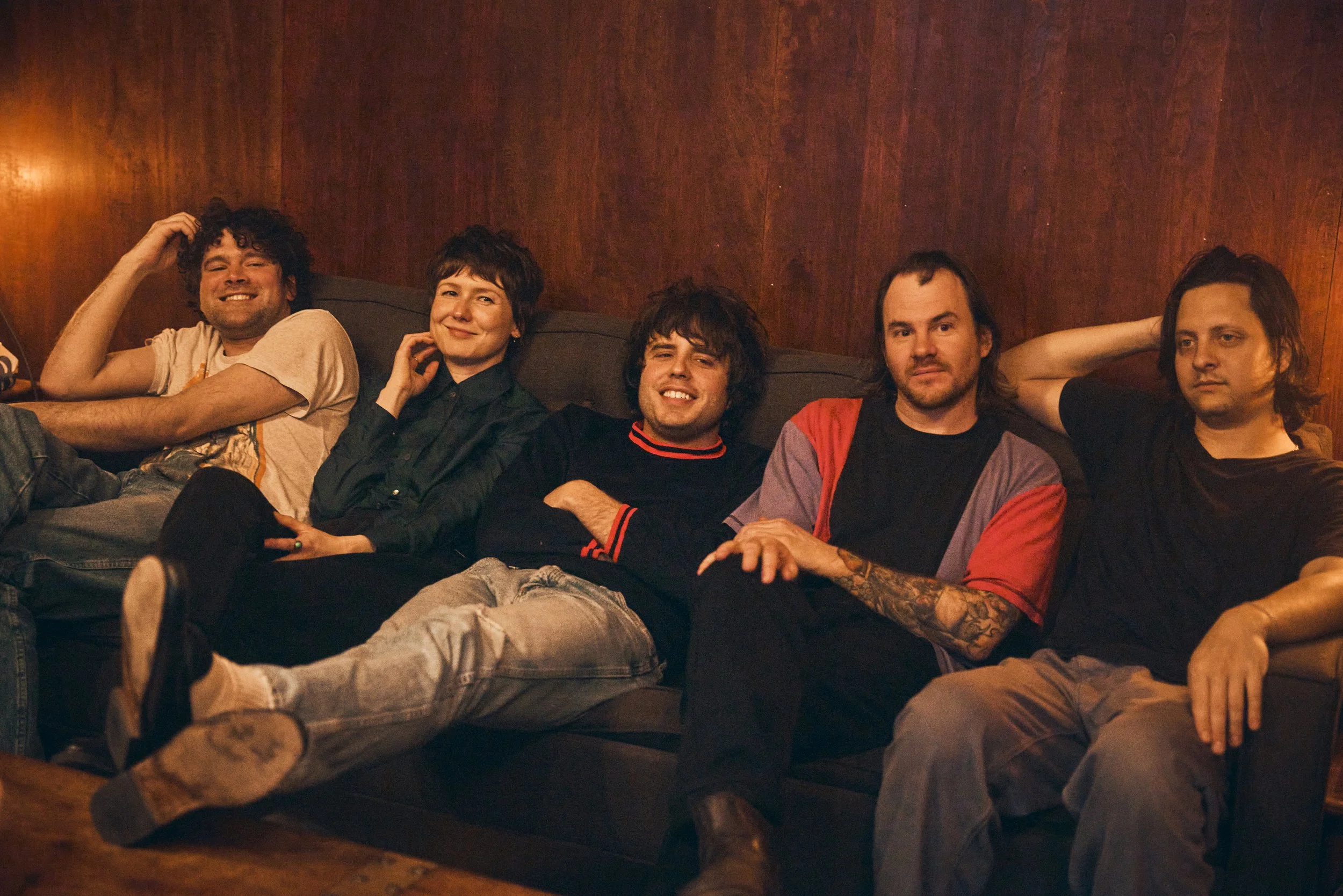
Broken Dreams Club Interview: Magic Fig
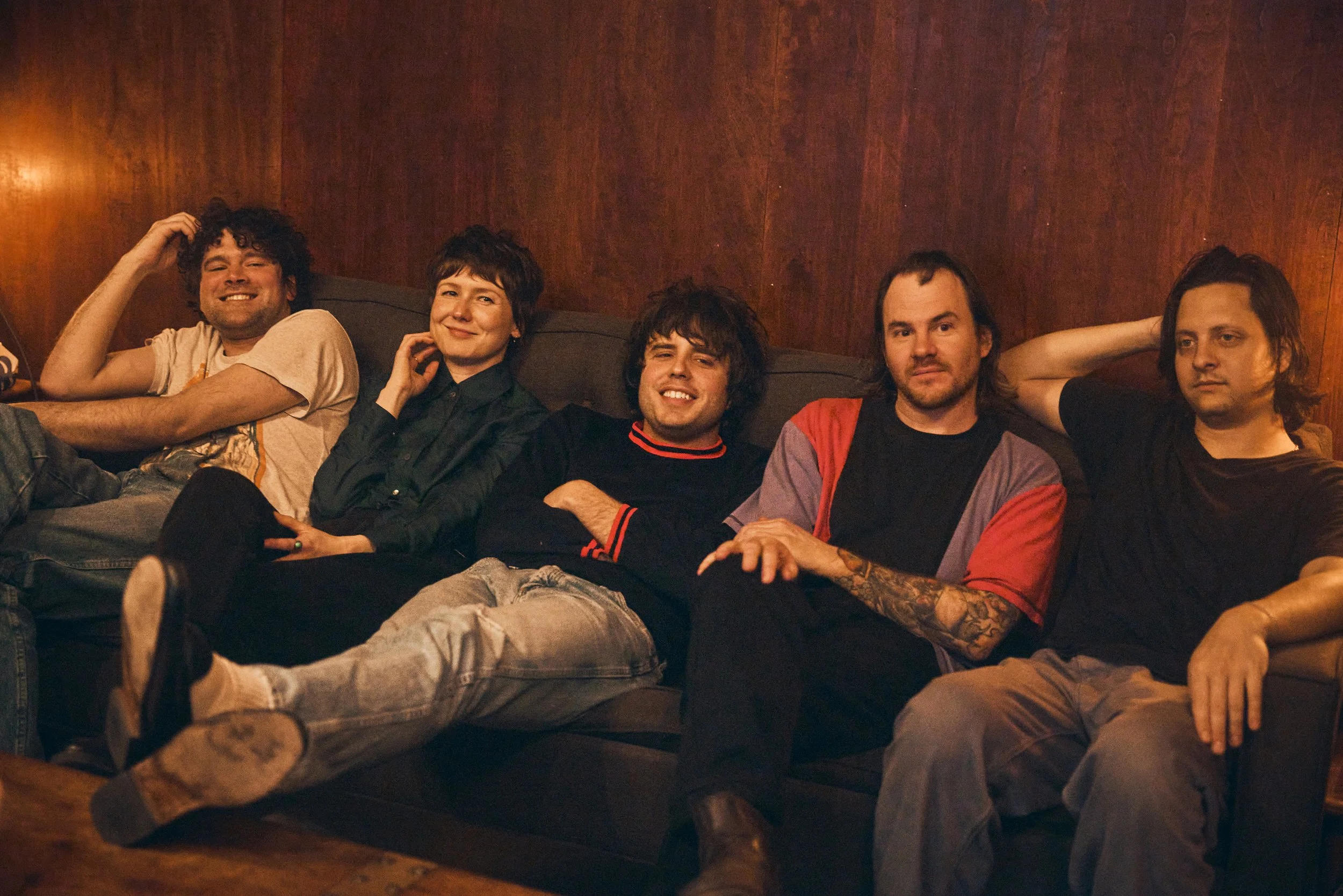
Photo Credit: Kirby Stenger
A San Francisco supergroup of sorts (although what Bay Area band isn’t a “supergroup”), Magic Fig bring an undeniably unique sound and aesthetic to the local scene. Comprised of members from the Umbrellas, Whitney’s Playland, Almond Joy and Healing Potpourri, among others, Magic Fig specialize in proggy, psychedelic tracks that recall both the late 60s acts of San Francisco’s hippie heyday and 70s English bands like Yes and Rush.
Made up of Matt Ferrara (bass), Muzzy Moskowitz (guitar), Jon Chaney (keyboards, piano) Inna Showalter (vocals, mellotron), and Taylor Giffin (drums and percussion), the band released their debut self-titled EP last year to much critical acclaim. They recently followed with their first full-length album, the dazzling and daring “Valerian Tea,” which came out on November 21 via Exploding in Sound Records.
Broken Dreams Club connected with Showalter and Chaney prior to the band’s album release show on Saturday, which will take place at the 4 Star Theater:
You’re all accomplished musicians who play in a ton of local bands. I’m sure you’ve all known each other for years. But how did this collection of individuals come together to form Magic Fig? When did you all start practicing together? Was the intention from the beginning to form a band?
Inna Showalter: We had all been acquainted through the music scene and mutual friends. Jon, Muzzy, and Matt first started playing together in 2020 and tried out several drummers before Taylor joined. They had already recorded demos of some of the songs that would end up on the self-titled EP by the time I was invited to join the band.
Jon Chaney: Muzzy asked me one day if I wanted to start a band and then he asked who should play bass. I knew Matt liked music from the 1700’s so I thought he’d be a good fit.
The band has such a specific aesthetic—it’s very proggy and ethereal. It doesn’t really sound anything like your other bands. When did you all discover that you liked this kind of music, and do you all see Magic Fig as an outlet to pursue a specific kind of sound you couldn’t in your other groups?
IS: I didn’t really have much of a background in prog music before joining Magic Fig but loved the songs right away. They were very creative and evoked lots of interesting thoughts and emotions.
JC: After agreeing to be in this new band I asked Muzzy to make a playlist so I could get an idea of what kind of stuff we should do. I listened intently, spending hours by candlelight, pondering the harmonic language of all the greatest rock bands. Eventually I felt ready and purchased a moog.
Your self-titled debut album was really well received and led to some great shows for the band. Did the success of that first record inspire you to quickly record this second release?
IS: We were already writing and playing new songs by the time the first EP was being finalized, and wanted to keep the momentum going.
The instrumentation on “Valerian Tea” is incredibly unique and varied—mellotron, glockenspiel, a bunch of synths. Were you all already familiar with these instruments, or did you see this album as an opportunity to try them out?
JC: If Joel Robinow is the knight, I am the squire.
IS: I have mainly been a singer for most of my life and only played a bit of guitar here, glockenspiel/bells there. Magic Fig has given me an opportunity to challenge myself and add some instruments into the recordings and performance. I’m still very much a beginner at keys but it’s been fun. As a band, we definitely incorporated a lot more instrumentation into this album. The general methodology was to record every idea and then remove whatever sounded erroneous or “too much.”
From the visual elements of the album cover and the music videos, to the song titles and even how you present yourself live—this album feels very much steeped in the fantasy mythos. Are you all fantasy fans? If so, what books, video games, authors or movies are your favorites?
IS: Not so much fantasy for me, but I am a big fan of mythology, fairy tales, and various esoteric topics. Lately I’ve been seeking to build more of a connection to my witchy Slavic roots.
The album also evokes the classic San Francisco psychedelic sounds from the 60s and 70s. Any bands from that era serve as a particular inspiration for this album?
IS: A few personal favorites that come to mind are Skip Spence’s (of Moby Grape) fantastic solo album “Oar,” Jefferson Airplane’s “Surrealistic Pillow,” and “Cauldron” by Fifty Foot Hose. But I wouldn’t say we were directly inspired by that era of San Francisco sounds, to be honest.
JC: I get that being an SF band we should be influenced by that scene somewhat but we are more just influenced by the English and German bands of that era. Muzzy is a big dead head though and I dabble.
The album feels to have a connective tissue throughout. Would you consider this a concept album? It definitely feels like it takes you on a journey…
IS: We had previously decided that our first album followed the arc of the hero’s journey, and “Valerian Tea” feels similar; like a continuation of it.
I’m not going to lie—I assumed that Valerian Tea was something you all made up. But it’s a real thing. How did you all discover this drink and what prompted you to name the album after this concoction? Again, it definitely feels like it would be the drink of choice for a fantasy book character.
IS: It’s definitely a real thing! As a child in Ukraine I remember valerian extract in a tincture; my mom and grandma would take some drops diluted in water when they were feeling anxious or couldn’t sleep. Nowadays I drink valerian tea on occasion myself. It’s a root with a very pungent smell but if you can stomach it, it’s quite effective. The song “Valerian Tea” came together very quickly and naturally. Lyrically it’s an exploration of my childhood experiences and becoming friends with my shadow. We weren’t sure what to name the album but once I saw Muzzy’s painting for the front cover, it seemed fitting.
The short instrumental snippets—“Percolations,” “Riders at Dawn” and “Splinter”—seem like such important parts of the album. These moments of respite or reflection along this kind of musical voyage. Was it always the intention to add these short kinds of page breaks into the album when you were making “Valerian Tea”?
IS: These were originally introductions of the subsequent songs (“Pecolations / Valerian Tea”; “Riders at Dawn / Sensation Seeker”; “Splinter / Goblin”), but decided that they would work as standalone pieces.
JC: Sometimes a decision is made in a split second at the studio and it sticks and it’s like we never made the decision in the first place. Splitting these into their own tracks was one of those decisions.
Here’s an important question: How come more songs aren’t titled “Goblin”?
JC: My first choice was hobgoblin but it had too many syllables for the melody.
Ok—you have your album release show on December 13 at the 4 Star. Are you all pretty excited to share all these new songs live?
IS: We’re excited to have our record release show at 4 Star, especially since we had the record release show for the EP there last year, too. It’s such a special place, and I’m always very pleased and honored for an opportunity to perform there. Also thrilled to share the stage with Mayya, who will be playing her solo music with a full band, and abracadabra’s new dub duo arrangement.
JC: 🫡
Have you determined how you’re going to play them all live? The songs are very dense and layered, with many moving parts…
JC: We play them a little differently but it’s mostly the same. Muzzy and Matt improvise a lot so I make sure to play the underlying harmonic material so we don’t sound terrible.
IS: We have already played all but one of the songs on “Valerian Tea” live, and I think we’ve made the arrangements work nicely. I play some of my own vocal harmonies on the mellotron, and am bringing my little glockenspiel as well.
Any future live shows on the horizon? What about potential touring plans? Perhaps a West Coast jaunt?
IS: We’re playing at Gold Diggers in Los Angeles with Vinyl Williams and Tiny Music on January 17 and are currently planning the rest of the west coast tour which will take place later that month.
Show Details:
Magic Fig album release party presented by THrowin’ Bo’s, with abracadabra and Mayya
Where: 4 Star Theater
When: 8 p.m., Saturday, December 13
Tickets: $19, available here.
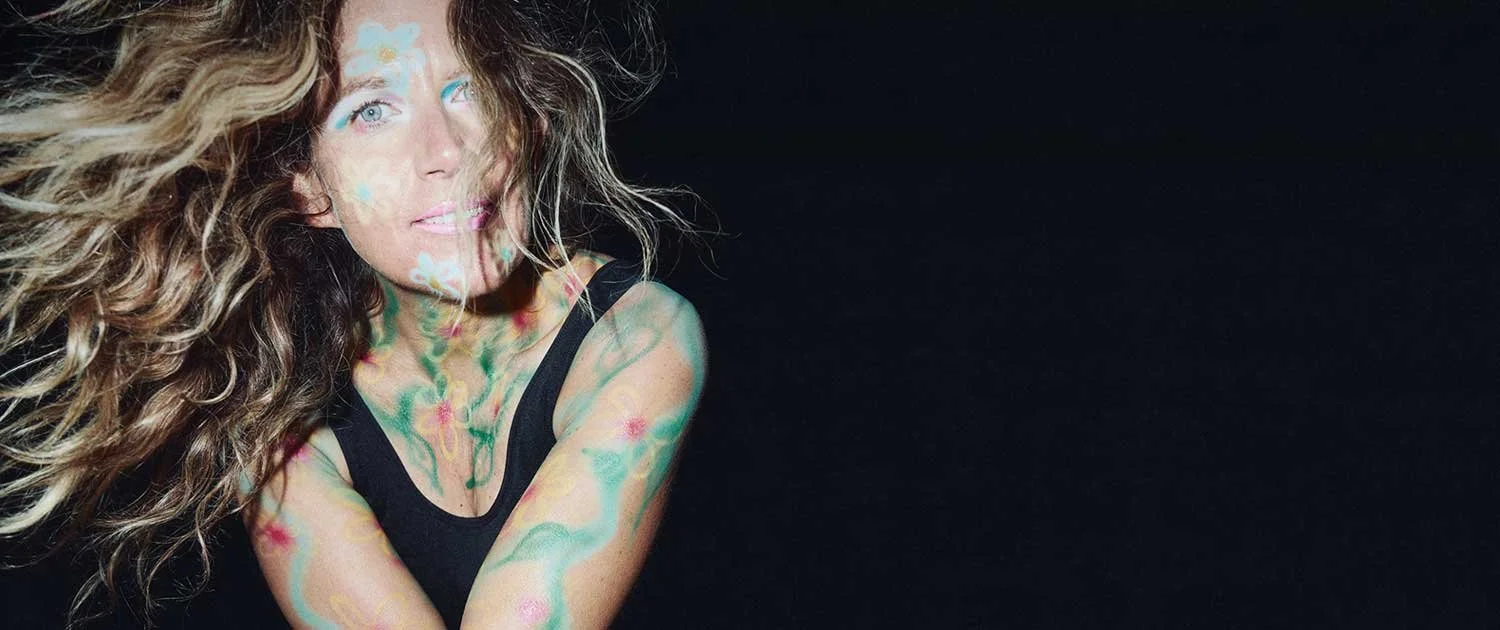
Broken Dreams Club Interview: No Joy
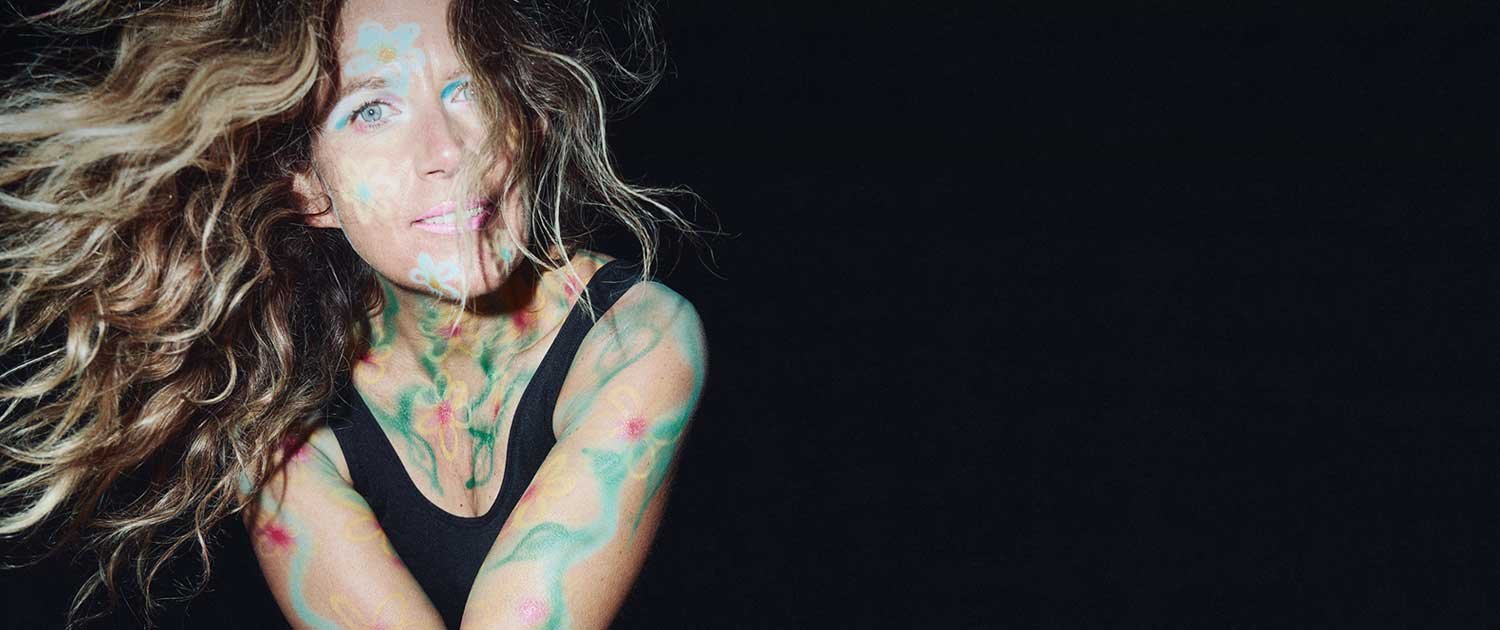
Photo Credit: Samuel Fournier
No Joy, the creative brainchild of Canadian musician Jasamine White-Gluz, is currently on tour behind the band’s excellent 2025 album “Bugland.” A captivating collection of IDM, shoegaze, 90s alt rock and metal, the album quite simply sounds like nothing out there at the moment.
Despite the various electronica elements to the record—there are beeps and bloops aplenty—“Bugland” feels strangely organic and earthy. White-Gluz attributes that natural sensibility to the recording process of the album, which she made in the rural hinterlands of Quebec along with her collaborator, Angel Marcloid, better known as Fire-Toolz.
Prior to No Joy’s November 11 show at Thee Stork Club in Oakland, White-Gluz answered questions from Broken Dreams Club via email:
The band just wrapped up a tour of the UK and Europe. How were those shows?
So amazing! It had been forever since we played over there and it was such a warm welcome. I can't wait to go back.
And now you have this string of West Coast shows coming up. How are you regrouping and preparing for this new tour?
We have about 72 hours in between tours so I am trying to get over jetlag while preparing for the next jetlag. I love sleeping so this is a challenge for me.
The No Joy sound is very dense and layered, with so many moving parts, digital snippets, samples and other elements usually perfected in a studio. How do you all translate that sound to a live setting? Is that part of the fun of performing these songs—deconstructing them to the point where a band can play them in front of audiences in an engaging and interesting way?
It's always a work in progress. “Bugland” wasn't created with a live set in mind, truthfully, so we spent the last year testing out the new songs to see what worked. The setup depends on so many factors, but for now we keep the set pretty rockin' and loud, giving the songs a different life in the live setting. Some songs off “Bugland” aren't ready to "hatch" live so to speak, so we'll be saving some of the album songs for the next tour.
“Bugland” is the first No Joy release in five years, and your first with Hand Drawn Dracula. What was it like working with the new label and was there any particular reason it took five years to write and record “Bugland”? (Not like five years is that long of a time now, with the recording industry model not really functioning anymore.)
We actually released “Motherhood” with Hand Drawn Dracula in Canada as well as the Wait to Pleasure re-issue so we are very familiar with the label and they are like family now. I take my time creating - I have phases where I am in writing mode, production mode, etc... and don't like to release anything that I am not 10000% confident in. I took my time developing my demos before even bringing them to Fire-Toolz, and then from there we spent many months working on them and getting them to the place where we were happy with them. I also spent time doing non-music related things, for the first time really. I started open water swimming, spending time in the garden, and really just getting inspired by new things. There were five years between “More Faithful” and “Motherhood” too, so that's maybe the length of time I need to take to make something I'm happy with.
This album is marked by your amazing partnership with Fire-Toolz. How did you and Angel first meet, and what made you want to work together with her for “Bugland”?
I discovered Angel's music and was just blown away by how both melodic and psychotic it was. It is a perfect blend of so many genres and evoked such visual imagery. I cold emailed her and asked if she would want to try working on some songs I had lying around. Whenever I collaborate, I really want everyone to push themselves and just do their thing, and it just happened that she and I were always on the same page and inspired each other a lot. She is an amazing talent, and I'm so fortunate to have been able to create with her.
This album seems to be inspired by everything from Caribou to Boards of Canada to 90s alternative rock acts. Was there a band or artist who had a particularly outsized impact on how this sound was shaped? Or was this completely the result of a couple of artists ensconcing themselves in the studio and shutting out all the noise? (It really sounds incredibly unique and timeless, in so many ways.)
I was not taking much inspiration from other music for this one, more so being inspired by the nature around me. I would say if any music inspired me during the process, it was more abstract; For example, we said, "let's make this song as if Boards of Canada were a noise band" and created from there. Angel and I had both respectively moved out of the cities we had lived in to more rural settings and really took inspiration from the new places we were in. Cheesy to say, but it was more inspired by the bugs, trees, weather, water, birds, fields around me.
“Garbage Dream House” is this really inspired track to lead off the album—within the first 40 seconds, you get a glimpse into the range of sounds and noises you’ll hear on the album. When you were recording that track, did you know immediately that it would be the album opener? Garbage seems like one of the bands that might have inspired this album—was that title a reference at all to the group?
While I absolutely adore Garbage (Shirley Manson is the icon!) I wasn't really listening to them when making this record. I was really just making sounds, trying not to be inspired musically by any particular band or era or anything. So maybe somewhere deep in my psyche there was an influence but it wasn't intentional at all. I love how this song feels like you are scanning the radio or something and it's almost as if there are two different songs that somehow clash together at the right time, one electronic and one rock, to make this new sound. It felt like the right opener to introduce the Fire-Toolz collaboration and it's a really fun one to play live.
“Jelly Meadow Bright” is this absolutely epic album closer. Similar to “Garbage Dream House” being a perfect opener, this just feels like a great way to leave the record. Again—did you know that this particular song would make for a great final track?
“Jelly Meadow Bright” was the last song we finished mixing for the album, and it just felt natural it should be the closer. I like how in Garbage Dream House there are these hints of Angel being there with the bleeps and bloops, and then the album culminates with her really taking more of a center stage of the performance. When she sent me the final mix, I was driving and out the window there was a double rainbow. What more of a sign do ya need?
So many of these songs have a collage-like feel to them. When there are so many different elements to each track, how do you know when something is a finished product?
It's hard to explain, but it's a gut feeling. There's no real way to quantify it, but I just get a sense that it's ready.
Ok—looking ahead to this show in Oakland. Are you excited to come back to the Bay Area? Do you feel like you get a nice reception when you play here?
Bay Area is definitely one of those "second home" places for me. I have so many friends there and that area was a spot that embraced No Joy early on, so I'm always happy to be back.
Show Details:
No Joy with Shaki Tavi
Where: Thee Stork Club
When: 8 p.m., Tuesday, November 11
Tickets: $18, available here.

Broken Dreams Club Interview: The Black Lips

Photo Credit: Alexandra Cabral
Once seemingly destined to burn out early in a blaze of youthful self-destruction, Atlanta’s Black Lips are improbably celebrating their 26th year of existence. Better still, the band continues to churn out their vital, vibrant and unique brand of music, equally indebted to garage rock, lo-fi, psychedelic, doo-wop and rockabilly influences.
There isn’t a bad album in the Black Lips catalog, but their latest release, “Season of the Peach,” is one of the best records in their formidable history. The Black Lips' current iteration of guitarists Cole Alexander and Jeff Clarke, bassist Jared Swilley, drummer Oakley Munson and saxophone player Zumi Rosow is among the longest-running versions of the group and tellingly, the band has never sounded tighter or more cohesive.
In anticipation of their October 23 show at the Fox Theater opening for the Viagra Boys, Broken Dreams Club spoke with Black Lips bassist and co-founder Jared Swilley about inspirations for the new album, which touches upon everything from religion to European civil wars to doomed prison jailbreaks:
So, you guys recently wrapped up a massive tour in Europe. How did those shows go?
It was a very hectic schedule, but all the shows were very, very good. We started in the Netherlands and Belgium—like the Low Countries over there. And then Scandinavia for a week, and then Turkey and Greece and London, and a couple shows in France.
And now you’re starting up this American tour opening for Viagra Boys. How did you all connect with them?
I don't think I've ever met them. I don't know if anyone in the band knows them, either. We probably have some mutual friends. I think they just asked our agent if we wanted to go on tour and we said yeah. We’ll get to know them soon, though. Very well.
You guys are living all over the world now, right? You’re the only one still in Georgia? How do you all reconvene and prep before going on tours? Will there be a meeting point on the West Coast before you kick off these gigs?
Yeah—I’m in Georgia, Jeff is in Berlin, Oakley is in upstate New York, and Cole and Zumi are in LA. We always talk about maybe showing up a couple days before the tour starts for like a day or two of practice, but that's never happened. We just get together and do our thing. Our songs aren't that hard, and everyone's been in the band for long enough. Maybe if we were like a metal band, that approach wouldn’t work. But, you know, our music is pretty simple stuff.
The new album is called “Season of the Peach,” an obvious ode to your home state. Any particular inspiration behind that album title? Maybe a reminder that, despite the scattered locations of everyone now, you all are still an Atlanta band at heart?
We’ll always be a Georgia band because this is me and Cole's thing. We have a friend Andy Animal who kept pushing us to have a title that has something to do with peaches. And I kind of hated the idea at first, but he kept pushing us—and he’s our good friend, he directed one of our music videos—so eventually, I warmed up to it. I mean, I really love peaches—it’s kind of a cliche, but they’re my favorite fruit. You can get a banana all year, or an orange. Not a big deal. But technically, you can only get peaches for a couple months of the year, even here in Georgia. I always remember that last peach of the year, at the end of August. That’s kind of why summer has always been my favorite season—the peaches.
You all recorded this album at Oakley’s house in the Catskills, right? What was that experience like?
I mean, it's awesome. I don't know if I would want to record a different way anymore. It’s nice—it’s like this real hippie thing, where we're out in the woods and, yeah, I chop wood, and everyone takes turns cooking. And he has a ton of birds out there that Jeff takes charge of. He has, like, 30 geese and ducks and peacocks and stuff. And the main thing is, not being in a city, we can start whenever we want. The record before, we recorded in Paris, which was cool, but it's a really hectic city with pretty strict rules about only being able to record between 11 a.m. and 11 p.m.. Everyone has different schedules, too. I'm up at the crack of dawn, but some people sleep later, so it's just less pressure on everyone. When we’re in the studio, I'm constantly trying to figure out, ‘oh, this is costing X amount of money an hour.’ So, I was always just sweating stuff like that. We've done a record in New York before and that was cool, and we’re certainly not complaining about recording in New York or Paris, but it's just less hectic being in the country. It's just a different vibe—very chill. You don't have people stopping by. No one's going out to party at night.
The Black Lips have always been a very democratic collective—back to your earliest days, you always had multiple songwriters, but “Season of The Peach” is heavily indebted to you and Cole. Did you all just happen to have the most ideas for this album, or was this an intentional effort to focus the album on your songs?
We’ve never gone into an album with a set idea, like, this is what we're going to do. The only process we've ever had is basically everyone getting together and we write and record as many songs as we can. And then we just pick the ones that we think sound best. So, it's really just how it happens. Sometimes Cole and I will have more songs than others, and that’s just an organic thing. Our band has always been an open-writing project, where there's no main songwriter. And I like that—it makes it more of a collective.
Did it give you a little bit of a throwback feeling, partnering with Cole so much on this record? I mean, you and him have been making music together since you were teenagers.
Yeah—when I play music with him, it’s different than anyone else, just because I’m more comfortable with him than anyone. We literally discovered music together. I think we were 13 when we discovered punk rock together, so there is always going to be a different energy with us. But, you know, everyone else has been in the band for long enough to where we all have a pretty strong connection.
This current lineup has been one of the longest iterations of the band. What do you think is the key to that kind of longevity?
I guess because everyone still digs it and no one's gotten married and had kids. We’re all still pretty committed to the band.
Let’s talk about “Season of the Peach.” It’s a great album and is bookended by these two tracks, “The Illusion Part Two” and the “Illusion Part One,” which both seem surprisingly world-weary for a band like the Black Lips. A couple of questions there—what was behind the decision to start the album with Part Two and end with Part One, and why was it important to have those songs open and close out the album?
I think we started with Part Two, just because it was the wrong thing to do—that’s how we do things around here, pretty much. And I like having intros and outros to albums. I’ve never been much of an album guy, because I’m mostly into stuff from the 50s. But I like the idea of, not necessarily concept albums, because we don’t do those, but it’s fun to have an opening and closing song that has a connection, just to tie everything together.
“Kassandra” is one of the standout tracks from the album—it almost feels like a spiritual successor to “Katrina.” It tackles the Yugoslavian Civil War—a conflict that’s probably slipped off the radar for most people. Any reason to revisit that war now?
Well, I’ve spent a lot of time in Croatia and Serbia the past couple of years, So I heard a bunch of stories about it and I was dating someone that went through the war and everything. She told me stories about this Venezuelan soap opera called Kassandra, and it was, like, the most popular show in Yugoslavia. And so, when that show would come on, everyone would stop fighting for that hour. I think at one point, the show got canceled or taken off the air, but someone at the UN or somebody high up, basically begged the broadcaster to bring it back, because they needed that peace. I thought that was pretty cool. There was this really brutal war, but everyone was bonding over this kind of cheesy telenovela.
You guys tour so much and you do travel to countries that aren't on your typical touring circuit. Do you think it gives you this perspective that others might not have? That’s an amazing story, but I’m betting that most people out there today aren’t super familiar with the Yugoslav Wars.
You know, I have a ninth grade education, but I do think that getting out and seeing the world gives you a pretty good perspective. It gets you outside of your bubble. I grew up with a lot of people who were poor and couldn't travel—there’s obviously nothing with that. But I know a lot of people I went to school with who have never been on an airplane. I took a buddy of mine over to Europe two summers ago and he’s my age. He had never been on an airplane before. It’s kind of wild. Traveling gives you a better understanding of people. It shapes your worldview, in a better way, because you're exposed to more things and it’s just interesting to know about other stuff.
Ok, back to the album. “Baptism in the Death House,” is this great outlaw story that very much fits within the Black Lips’ catalog of offbeat, wild characters—these Southern Gothic tales. Is Roy Settles a real person or kind of amalgamation of various bandits you heard about growing up?
It's a true story. All the men in my family were preachers or still are preachers, and my great-grandfather was a pretty big time preacher in South Carolina. In the early 30s, at the South Carolina State Penitentiary, there were these six prisoners and Roy Settles was one of them. They planned an escape from this prison, and they took a prison guard hostage. There was a day-long standoff, and eventually the cops started shooting tear gas, and a guard got killed in the melee. So, all six guys got sentenced to death. And they actually executed them all at the same time. It was the largest mass execution in South Carolina state history. And my great grandpa got called and stayed with them the whole night before. He did all his preaching stuff, and said all the prayers with them. And five of the guys chose to accept Jesus and repent or whatever. But this one guy, Roy Settles kept spitting on the ground and said he'd be happier in hell. My grandfather ended up writing a book about it—it was called something like the “Tale of Five Men Who Repented and the One Who Didn’t.’ But he preached on that story forever. He was able to lead five men to Jesus, but one just said ‘fuck you, your shit sucks.’
You guys have never really shied away from tackling thorny religious issues. You obviously grew up in the church--what’s the Black Lips’ stance on organized religion?
I can't speak for anyone else. I know Cole loves gospel music, as do I. A lot of my favorite singers and musicians grew up in the same church I grew up in. People like Jerry Lee Lewis and Elvis and Little Richard and James Brown—all those guys came from the same kind of Pentecostal church I grew up in. I felt a kind of kinship with that and it was easy to reconcile with. And my dad is very, very liberal, but he used to be a mega church preacher. He came out of the closet about a decade ago, but before that, he was getting heat in the Atlanta press for some of our behavior. The articles weren’t exactly bad, but it was not stuff you'd want your preacher dad to read or everyone in his church, right? But I always said to him, ‘I'm kind of doing the same thing as you.’ Like, I’m an entertainer, and I'm on stage and same with him.
But as far as organized religion goes, I was never brought up in a super judgmental home. Even before my dad came out, he never believed that anyone was going to hell. And that was kind of controversial. But it very much shaped my experience with religion, which was very compassionate and nice. I saw it as a great support system for a lot of people who were pretty down and out. I always thought it was a force for good. Now, there's other stuff I don't like about religion and you can probably imagine what I’m talking about, but my experience with it was always good.
I grew up in a full gospel Pentecostal church, so there would be people freaking out at like, nine in the morning. They call it getting drunk on the Holy Spirit, like having seizures and screaming and my dad would hit people on the head and they'd fall down. I just remember being like, if I could bottle just 5% of this energy into a Black Lips show, it would be amazing. But we’re singing about rock and roll and cars, and the church is singing about saving your eternal soul, so we can’t really compete.
After “Baptism in the Death House,” is Cole’s song “Tippy Tongue.” I think one of the most underrated aspects of the Black Lips is your obvious appreciation for 50s and 60s doo-wop groups (“Hatman” is another great example.) There is always going to be a garage rock and lo-fi and southern rock tinge to your songs, but these girl groups, like the Supremes and the Crystals, seem to be a major influence. Is there a shared love within the group for those kinds of outfits?
I would say they are really special to me, more so than anyone else in the band, although Cole's really into that stuff as well. This guy I work with asked me if I was listening to anything new, and I was like, ‘man, I've listened to the same shit for years, now.’ It’s just doo-wop and old rockabilly stuff. I used to be more involved in finding the new stuff, but at this point, I’m too old to be going to concerts all the time. I work full time when I’m at home and have to be up at 6 a.m. so I can’t stay out late or anything. That said, I really like this French band, La Femme. And I’m sure there are a lot of other great bands out there, but I just don’t get out as much.
Sounds very reasonable. So, we talked last year about the band celebrating 25 years. Are you all due for another 25 more? Be just like the Rolling Stones, performing out there forever?
You know, I'm not gonna say where we’re gonna be 25 years from now, but I don’t see any reason why we can’t keep this thing going for the foreseeable future. We have a pretty good balance right now. Our last tour was great, this next one should be pretty cool, so I don’t see any reason to stop. We’re not going to tour 10 months a year like we used to, but we’ll still probably tour more than most bands do.
Ok—looking ahead to this show in Oakland. Are you guys excited to return to the Bay Area? Have you ever played the Fox before?
We’ve never played the Fox in Oakland. We have a Fox in Atlanta, and we got to play there recently and that was like a dream come true. Even before we started, my goal was always to play the Fox in Atlanta one day. We had my high school prom there, even though I wasn't in school at the time. So, that was a cool thing. My dad got to go to the show—it was his birthday. And we played the Fox in Detroit one time, but I didn't realize there was a Fox in Oakland. Either way, we’re super excited to play there.
I’ve seen you guys play in countless venues here—Rickshaw Stop, Great American Music Hall, Bottom of the Hill—even saw you at Public Works, which is now a dance venue. Do you have a favorite spot to play here? And what’s your favorite thing to do when visiting the Bay?
I always like playing the Great American Music Hall. It's been a while since we've been there, but it’s such a pretty club. When we go to San Francisco, we always eat a lot of great food and hang out with our friend, Kristin, who owns this shop called Vacation. We’ll hang out with her and grab some Chinese food and explore the city.
You’ve got this tour for the next month or so. Will you be returning for a headlining slot in the near future?
I don't love touring in the winter, because it's just not that much fun. I think this might be it for us for the year. But we'll tour behind the album more starting next year. We’ll definitely make it back to San Francisco.
Show Details:
Black Lips with the Viagra Boys
Where: Fox Theater
When: 8 p.m., Thursday, October 23
Tickets: Sold out!

Broken Dreams Club Interview: Wild Pink
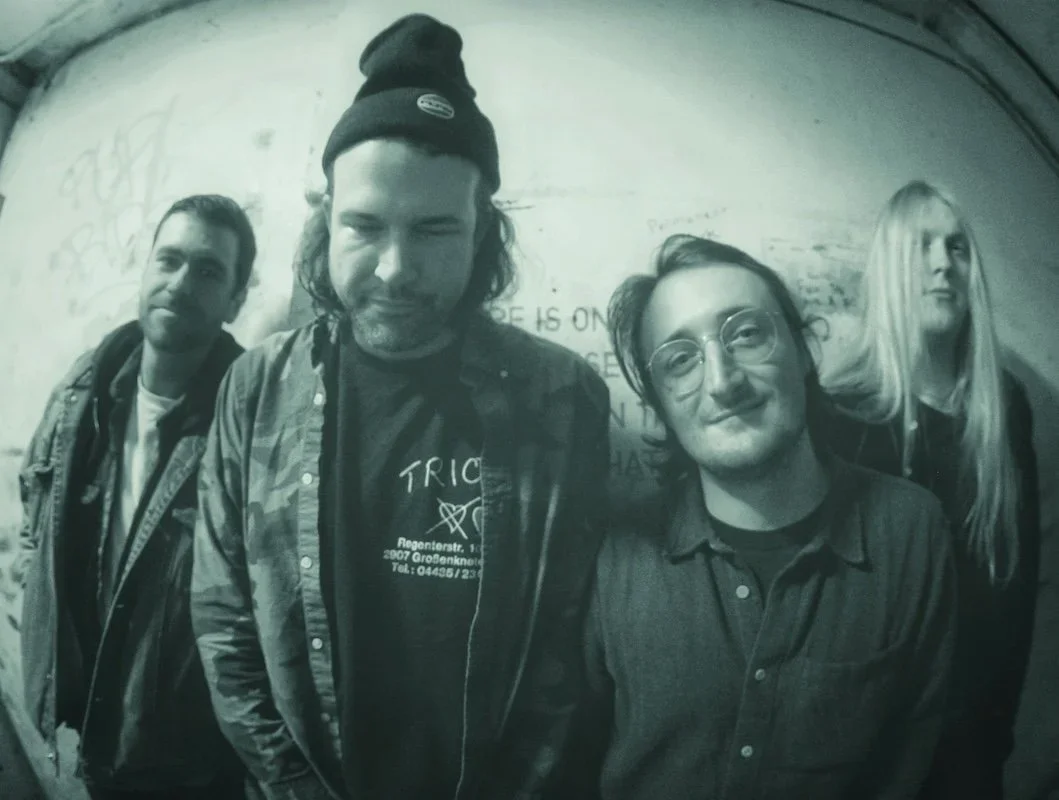
Wild Pink, the ambient, heartland rock outfit headed by chief songwriter John Ross, is currently touring behind their outstanding 2024 album, “Dulling the Horns,” one of the absolute best records of last year. Continuing the band’s tradition of melding quiet, hushed moments of intimacy with bold, dynamic flourishes, “Dulling the Horns” also showcased a newfound musical muscularity for the band, adding yet another exciting dimension to Wild Pink’s ever-evolving oeuvre.
After opening for MJ Lenderman at the Independent in February, Ross and company are returning to San Francisco for a headlining performance at Bottom of the Hill on Thursday with Steakhouse and Fake Your Own Death.
Broken Dreams Club recently caught up with Ross–one of the truly, truly nicest musicians around–for a Q&A session that drifted away from the more traditional interview topics:
You guys have been basically touring nonstop for more than a year now. That is A TON of time in the van. What’s been the group’s go-to tour albums for the road?
We actually don’t really listen to stuff in the van!
Any podcasts make it into the regular rotation? Or are you guys strictly tunes?
Lately I’ve been listening to Otherworld. I also really love Ghost Stories For The End Of The World.
All those miles means a whole lot of potential opportunities to eat some disgustingly glorious (or gloriously disgusting?) fast food. If Wild Pink ends up capitulating to the fast food craving, what’s your spot? If not, what kind of grub are you looking to enjoy while touring?
If we’re in the mood, Del Taco is probably the go-to. We try to keep it pretty healthy though and hit up a Whole Foods or something in the mornings.
You’re a self-avowed Bills fan. This is a huge year for the franchise. Will they FINALLY break through this season and win the Super Bowl?
This is a question for Dan Keegan, the drummer! He’s the most devout Bills fan I’ve ever met. I think any season with Josh Allen is a shot at the Super Bowl though.
You called Florida home for years. Has that resulted in any uncomfortable conversations about the Dolphins with your Floridian pals?
I don’t know any Dolphins fans! Only Jags fans.
Keeping on the topic of sports—you’re one of the taller indie rock heroes in the game. You ever play any hoops as a kid?
I was on the A team in the 8th grade and played in one game for a minute or two, but that’s about it.
Last sports question, I promise, but gotta ask about this: your former touring mate MJ Lenderman is another tall musician with a penchant for writing about basketball—who wins a one-on-one contest between you two?
I think Jake would probably kick my ass at 1 v 1 bball, but I’m trying to get him to play tennis with me.
So now you’re in New York, but you spent your childhood in the DC Area. As someone with lived experiences in all these spots, give me a couple of pluses and minuses for the Northeast, the South, and the Mid-Atlantic Coast.
The South has great air conditioning, strip malls and grocery stores. The Northeast generally has better restaurants and bars, though. The Mid-Atlantic pretty much just has Camden Yards and blue crabs. If I had to rank the three I’d say 1. North 2. South 3. Mid-Atlantic.
What was the first show you went to as a kid? Who were your favorite bands and artists growing up?
First real show I went to was at the House of Blues in Orlando, which was Primus and Incubus with Buckethead opening. Also saw Dropkick Murphys with Lars Frederickson opening there.
The New York Times recently released their list of best movies of the 21st Century. Have you had a chance to scope out this list—if so, any thoughts? Any major omissions? (I contend they dropped the ball big time by failing to include MacGruber.)
Where’s ‘The Town’??
Ok here’s a speed round interlude for themed Wild Pink questions:
Have you ever eaten an egg whole, and if so, how was it prepared? Nope.
Have you ever visited Stonehenge? Yes!
Who’s the best-ever Dracula actor? Gary Oldman.
What’s prettier to look at—a cloud or a mountain? One that looks like the other.
How would you describe a Wild shade of Pink? Is it more akin to salmon? Or flamingo? Coral!
And we’re back. I know the masses have been ABSOLUTELY CLAMORING* for me to update this list of the top 100 “indie” albums I put together in 2021. When I do get around to making changes, “A Billion Little Lights” will be one of a handful of recent albums (we’re talking maybe five) that will crack the coveted top 100. Are there any albums from the past five years that would you include in your own mythical “Top 100” list?
In no order: “Genevieve” by Fust, “Box For Buddy, Box For Star” by This is Lorelei, “Beehive Cathedral” by Joseph Decosimo, Like Richardson and Cleek Shrey, and “Appalachia Borealis” by Phil Cook
*The “masses” being my friends Scott and Johnny and “clamoring” meaning they asked me once.
You’ve been coming to this city for years. What’s your favorite thing to do in San Francisco?
Probably going to Oracle Park or getting a Mai Tai at Li Po.
What about a favorite venue to play here?
Bottom of the Hill for sure.
And keeping on the local topic, lets end on a fun one—favorite SF band of all time?
Ohh…I guess Third Eye Blind or Dead Kennedys.
Actually, let’s end on a super wholesome note—what’s the best thing about being a dad?
Taking my baby on a walk to get morning coffee is probably one of my favorite things.
Show Details:
Wild Pink with Steakhouse and Fake Your Own Death
Where: Bottom of the Hill
When: 8 p.m., Thursday, August 14
Tickets: $20, available here.

Broken Dreams Club Interview: Whitney’s Playland

Photo Credit: Kittie Krivacic
In 2023, Whitney’s Playland released their dazzling debut album, “Sunset Sea Breeze,” one of the best records of that year. A collection of lo-fi pop nuggets and janglepop gems, the album showcased the vibrant creative partnership of founding members George Tarlson and Inna Showalter, longtime friends and veterans of the Bay Area music scene.
After a quiet 2024, the band recently reemerged with a show at the Four Star Theater on May 30 and on Friday they’ll release a 7” EP, “Long Rehearsal,” through Meritorio Records and Dandy Boy Records. Now a solid four piece with the addition of multi-instrumentalist Paul DeMartini and drummer Evan Showalter, the band will play selections from that new album as part of a record release party on Saturday at the Edinburgh Castle, alongside local mainstays Black Thumb, Mister Baby and Rhymies.
Broken Dreams Club recently connected with Showalter and Tarlson over email to catch up with the band and get some more details on the songs behind “Long Rehearsal.”
It’s been more than two years since the release of the amazing Whitney’s Playland debut album, “Sunset Sea Breeze.” What have you two been up to since that record came out?
Whitney’s Playland (WP): Our last show was in September of 2023, and we went on hiatus for a little while after George and Rachel’s son, Leo, was born in October 2023. By early 2024, we were working on writing and recording the songs that are on the new 7”. For the rest of 2024, we worked on recording and mixing the songs. In early 2025, we started practicing again in anticipation of releasing the EP. During our hiatus, Inna’s other band Magic Fig released their debut record and wrote and recorded their second album.
Your new EP, “Long Rehearsal,” which is out this Friday, was recorded as a four piece, correct? As opposed to “Sunset Sea Breeze,” which was written and recorded primarily as an effort between just the two of you, right?
WP: Yes, this EP was definitely more of a collaborative project.
What was that like? How was it different to have Paul [DeMartini] and Evan [Showalter] involved in the creative process from the start?
WP: On “Sunset Sea Breeze,” a lot of the songs were brought to the project fully formed by George, while a couple were melodic and lyrical collabs between George and Inna. For the new EP, Inna wrote many of the lyrics, and Paul, Evan and Inna each contributed to the instrumentation and structure of the songs. Writing the EP was great! We really enjoy and get lost in the process of recording. Everyone has a unique ear for what’s happening in the song, and we’re all on the same page with adding our contributions in the effort to make the song as good as it can be.
Were the songs still written and composed by you two? Or did Paul and Evan help with that as well?
George Tarlson (GT): Inna and I split the lyric writing duties. I wrote the original concepts for the music but the band finished the instrumentation together.
Inna Showalter (IS): George had already written a lot of the music for “Long Rehearsal” and “Talk” and written all the music, vocal melodies, and lyrics for “Only Daughter.” He had shared the demo for “Long Rehearsal” with me a while earlier and I quickly came up with vocal and lyrical ideas, which George helped cement, and that little keyboard melody on the second verse, which Paul executed. We weren’t sure how to start the song, and Evan’s drum fill was a fitting addition for the intro. “Talk” was definitely the most collaborative effort. Everybody was very involved with writing and arranging that track.
The title track is a great way to kick off the EP. It’s a piece of janglepop bliss and Inna’s voice is so clear and stirring. Particularly on this song, the production feels like it’s stepped up a bit—was there a concerted effort to “clean up” the sound for this EP?
GT: Thanks! We record all our music in our home studios, which has worked great for us so far. I love how the first record's sound was a little funky and hopefully memorable, but I'm very happy with the sound of the new record. We took our time with it to try to make sure things were how we wanted them. We used more microphones on the drums and spent more time tracking and editing than we did on the first album.
IS: Yes, we definitely took our time with these. We recorded the main tracks all together at George’s and added overdubs and additional ideas later. Sometimes we’d get together to work on the songs, or we’d record portions at home as ideas came up and send them to each other, adding what we liked to the final project and removing what didn’t work. There was a lot of exploration and experimentation.
I also love that the opening track is so short—a very Guided By Voices (or Tony Molina) approach there. How important was it to start the EP with a real direct, concise track?
George: I'm not really sure we thought about it that much. The band has always tried to write collections of songs with some contrast, different textures, and different lengths. “Long Rehearsal” is a shorty for sure.
The video for that song is great. Whose idea was that story? (Also, love George’s skateboarding skills—very impressive!)
IS: I remember the day the idea was born. Kittie (Krivacic) and I were at the SF Botanical Garden talking about the new songs, which we had just finished recording. Kittie is an extremely talented filmmaker. We had always wanted to collaborate on a project together, and this seemed like a great opportunity to finally make it happen. She first came up with the idea of me singing on the vintage F train car. Later that day I shared the idea with Evan, and on the spot he came up with the plot for the video: I travel across the city with a mysterious suitcase, while the rest of the band tries to track me down. I ultimately added the bit at the end where we see ourselves playing the song inside of the suitcase. It came together in a really fun way, and of course paid homage to my favorite city. I’d grown up taking the F car and always been enamored with those beautiful, colorful old trains. It turned out exactly how I envisioned it and was a very fun creative collaboration.
“Only Daughter” seems like a pretty funny little ditty about being an outlier in a community that’s not super open to strangers. Was that narrative based on real-life experiences? Or is Lydia a character dreamed up out of the blue?
GT: “Only Daughter” was loosely based on a real neighbor of mine who came around and made quite an impression on me for being a very loopy, funny, outgoing, old artist. It’s a portrait of her in song. Although the song sort of took on a life of its own and isn’t really about that person anymore.
I wanted to write something with a 50’s ballad influence (I was listening to a lot of that at the time). The song is set in the backdrop of the suburbs, where the cultural norm is to be a little boring. When you run into someone who fights against that, it’s like a breath of fresh air. I grew up in the suburbs and I guess I still live there, although El Cerrito is very multicultural and just a BART ride away from the City.
And in contrast to the “Long Rehearsal,” is “Talk,” which is the longest song you all have ever recorded. The latter half of the track in particular is very exploratory and improvisational, with these interesting sonic manipulations and unique instrumental arrangements (it sounds like there is a xylophone in there?) What was it like making that song—did it feel nice to loosen the reins a little bit and push the envelope beyond the typical Whitney’s Playland structure?
GT: “Talk” is a song that took a long time to come together. We're pretty proud of the end result though. We really tried to play with the layers of instrumentation that made up the song. Mixing it was really hard because of that!
IS: When George showed me his guitar demo for “Talk” I immediately loved it and a concept for it came to my mind right away, but when it came down to executing it, nothing seemed to stick. I came up with several versions of the vocals and lyrics but none of them ever seemed to really convey what I was trying to capture. There were multiple times when I almost gave up. Sometimes there’s those songs that “don’t want to write themselves” as my friend Muzzy once put it. Ultimately I think the frustration and delay played into the theme of the song itself, which is quite fitting. Paul came over and we sat at the keyboard together trying to workshop parts. The whole time I was hearing these extra little melodies in my head overlapping with the original movements of the song and I ended up recording those on the glockenspiel. Evan added shakers and tambourine. We kept layering additional instrumentation to fill out the parts that needed something extra. When Paul added what we now lovingly refer to as the “Chris Isaak” guitars after the bridge, the song felt complete. I think all the experimentation and trial and error allowed us to grow as a band in a way that wouldn’t have happened otherwise. And of course it was extremely satisfying when it was finally finished.
The lyrics on “Talk” seem to detail the futility of the spoken word—how what we say will never quite match what we feel. Am I reading that correctly? And if so, how do you all grapple with that disconnect as songwriters—creative people whose work is predicated in large part by an effort to connect with others?
IS: Yes, exactly. This song is about how words can never fully express what one is feeling or experiencing. It’s definitely a concept I grapple with as a songwriter. I’m a very private person. My voice and my lyrics are what really reveal who I am, and I’m constantly plagued with thoughts of “what if this gets taken the wrong way?” This is in essence what the song is about - our interpersonal relationships and the fundamental misunderstandings that occur between us and even those closest to us, due to the nature of being human. We are all in our own subjective realities and have only our words to convey our experience to others, which is inherently flawed and lacking. Still, we can’t help but try.
Do you all have any plans to release a full-length album, now that you have put out this EP?
GT: Right now, we're just going to play some fun shows this Summer. You haven't heard the last of Whitney's Playland though.
I just saw you play at the 4 Star Theater, which was your first performance in a few years. What was that experience like, being back onstage after such an extended absence?
GT: It felt great to be back together again! Good turnout, good bands, good venue. You gotta love it.
IS: 4 Star is such a special venue. It’s an honor to be able to perform at this beautiful magical theatre that’s seen so much history in this city of ours. It’s quite different from performing in other venues in that the audience is sitting down, everyone is quiet, and you can’t make out anyone’s faces except those in the front row. It does make me more nervous than performing at a bar for example, that has more of a laid-back vibe, but I do really enjoy the feeling of theatrical reverence that I get from being on that stage. I was thrilled to open for Hectorine at their record release; I’ve always really admired Sarah and loved sharing the stage with her and her lovely talented bandmates. I also really enjoyed David’s fantastic performance as Plastic Candles. The projections were spot on for all three acts, and I am always so grateful for the hospitality of Syd and the rest of the 4 Star crew.
You’re playing a record release party at the Edinburgh Castle with a stacked lineup of other local acts on June 21. Any other shows planned in the near future?
IS: Edinburgh Castle is one of my favorite venues and brings back a lot of fond memories from my younger years. Zack & Nick have been putting on some great shows there lately and we were lucky enough to play their first one back in 2023. We’re very excited to be back again, with friends Rhymies, Black Thumb, and Mister Baby!
GT: We have a few shows booked through the summer. We're playing August 2 at the Little Hill Lounge in El Cerrito with Ryli and Tony Jay. August 23, were playing with Aluminum and Welcome Strawberry at the 4 Star Theater.
Any other projects you all are working on at the moment? Inna—you’ve been busy with Magic Fig—any new announcement regarding that band?
IS: There’s some figgy magic in the works - stay tuned! ;)
Show Details:
Whitney’s Playland with Black Thumb, Mister Baby and Rhymies
Where: The Edinburgh Castle
When: 8 p.m., Saturday, June 21
Tickets: $10, available at the door

Broken Dreams Club Interview: This is Lorelei

Photo Credit: Eve Alpert
For years, Nate Amos uploaded hundreds of scrappy, fuzzy tunes to the Bandcamp account of his recording moniker, This Is Lorelei. Essentially demo recordings, the songs provided a glimpse of a prolific musician with a profound range, unafraid to explore any genre or sound.
In 2024, Amos finally formalized those recordings, releasing his first “official” album as This is Lorelei. The record—“Box for Buddy, Box For Star,” is the culmination of those intriguing early recordings, showcasing a boundless talent.
Featuring dust bowl folk songs, heartfelt indie pop tracks, glitchy electronica numbers, club bangers and anthemic love ballads, “Box for Buddy, Box For Star” was one of the best releases of last year and brought welcome new attention to the talents of Amos, who also stars as one-half of the avant garde duo, Water From Your Eyes.
On Thursday, April 3, This is Lorelei—now a three-piece band—will perform songs from “Box For Buddy, Box For Star” at Café du Nord. The show will be presented by local production outfit Throwin’ Bo’s.
Broken Dreams Club spoke with Amos about the background of the record, feeling inspired by Shane MacGowan and Elliott Smith and what’s next for This Is Lorelei and Water From Your Eyes.
Ok, you’ve got another round of gigs starting up this weekend. How are you prepping for this latest batch of live shows?
Well, with the kind of live form Lorelei is in right now, I basically tour and then kind of come back with a revision. It’s taken a while to figure out exactly what to do with it, because the project is so kind of scatterbrained in terms of instrumentation. It’s been an interesting process to figure that out. But I think it seems like the answer is always simplicity. I have someone playing lead guitar now, so I just play acoustic guitar and sing and don't worry about other stuff. And it's gotten way more fun and interesting for me.
I was looking up videos of our shows from earlier this year. It was just you and an acoustic guitar, right?
That’s what we did in January, yeah. There have been some other setups as well. I did one tour as a power trio last year, where I was playing electric guitar and trying to do double duty vocals and lead guitar. It’s just really fun to have someone else worry about one of those.
Was last year your first kind of “proper” This is Lorelei live shows?
I guess it depends on what you mean by proper. Lorelei has existed for a long time. Back in the day in Chicago, there was a really chaotic live Lorelei band. I think the biggest performance was 10 or 11 people one time. If you kind of knew the songs, I would basically enlist you to join in the band. As long as there was a bass player and a drummer, I would just book a show. And then I would tell everyone else, basically, show up if you want. That yielded a couple of really fun moments and a host of bad performances. And then, for years, I just did karaoke sets. I didn't even have any of the words memorized. It would just look at the computer and stand there and sing. So, It's really been the last year or two that the live band has really developed.
Got it. So, back to the beginning—you’ve been recording songs under the This is Lorelei moniker for years and uploading a ton of those tracks to Bandcamp. What prompted the decision last year to finally release an “official” This is Lorelei album?
It was a combination of things. For a long time, Lorelei was more of a demo idea sandbox. If I had a really good idea from Lorelei, I would just lift it for another project. That still applies to Water From Your Eyes. At least a handful of things from every Water From Your Eyes album are kind of just plucked up from This is Lorelei. It wasn’t really until the last couple of years that it felt like Lorelei developed an actual direction of its own, separate from me personally. It kind of just became more and more of a focus. Before, I would just put a song up on Spotify or Bandcamp whatever, without doing any press or anything. And my manager got really frustrated with me. He was like, ‘dude, let me shop one of these.’ This was honestly the first album where I worked on it hard enough that I didn't want to just put it out without any kind of notice.
And how are you able to differentiate these songs from Water From Your Eyes songs, or My Idea songs? There is something distinct about This is Lorelei, but the musical tastes on “Box for Buddy, Box For Star” run the absolute gamut—I mean so much is covered here. When you have such a wide range like that, how are you able to determine what makes sense for This is Lorelei?
I guess it’s basically a gut reaction. At this point, I kind of have my Lorelei brain and Water brain. This is obviously a question that comes up a lot. The answer that I tend to give is it's kind of like playing two different sports. There is the basic idea and scope of things you could possibly do that are similar, but there are different objectives and different muscle groups being used. And the way it's kind of naturally evolved is that Water From Your Eyes is a kind of exercise in rejecting tradition. Whereas Lorelei has kind of turned into a thing where it really is more about embracing existing songwriting archetypes. If I didn't have separate outlets for those two things, I don't know if anything would work. It would probably just be a mess.
I know you’ve discussed this topic ad nauseam, so apologies for bringing it back up again, but you’ve talked about making this music while sober, which must have been incredibly daunting at first. Did that process get easier as you kept going? Were you able to really convince yourself that you could do this thing?
It was an odd period of time for me and getting sober was a big part of it. There are a lot of things you have to do in the aftermath of long term substance abuse, in terms of just mental health. Once you kick your thing, you have to learn how to be a person without it. And at that point, I still hadn't really done that. The only thing that I could do was obsessively get into my music. Ultimately, the reason this album got so much time poured into it, is because I was desperately looking for anything to do that wasn't working on my actual self. I wouldn't say it was easy, but I was very focused, at least.
So, in its own way, was this process therapeutic?
I try not to rely on that too much, because I spent too many years being like, ‘I don't need to do therapy, because I can express myself through my art’. I mean, that's kind of the ultimate cliche. There/s weight to that, but it can also be such a cop out. I know I've used it as a cop out.
I think everyone was just amazed at the wild diversity of songs on “Box for Buddy, Box For Star,” and I love that you start the album off with a real curveball track—this lonesome cowboy, tears-in-my-beer country tune, “Angel’s Eye.” That’s such an amazing tune, but clearly not indicative of the entire album. What made you want to kick off the record with that song?
I'm a sucker for a good red herring. That’s something I tend to do, but not to be deceiving. There’s a balance to it—I wouldn’t want to use really stylistically different songs at the start of an album in a way where it's just like, ‘check out how different I can sound!’ That wasn't the intention with this album at all. One of the things I was thinking about at the time was how a lot of albums tend to start in this very focused place, and then kind of drift off towards the end in different directions. I wanted to harness that same dynamic curve, but invert it. In a lot of ways, stylistically, this album is way more cohesive in the second half. It kind of begins as this ball bouncing back and forth—an up and down thing. And then the ball stops bouncing as high and kind of settles into this very comfortable place where that album lands. For me, the final resting place of the album was always [album closer] “An Extra Beat For You And Me”—that was kind of the point of the whole process. That’s the song that I feel like I wrote this whole album to get to. And “Angel’s Eye” and “Perfect Hand” were the two songs that were most different stylistically, so I think they worked best in the beginning of the album. I didn’t want to cut those songs because there wasn’t a good place for them, so I put them one-two in the sequencing.
And I’m going to spare you from going over this whole album, track-by-track, because I really could, but I wanted to touch base on a few of them. “Dancing in the Club” was one of my favorite songs of last year and it has this immortal line in there—“But a loser never wins/ And I'm a loser, always been.” I love it because it claims ownership over that. Indie music is supposed to be for losers and this song really feels like it belongs to indie fans. Did you have it in mind for this song to be a kind of defiant mantra?
Yeah—that’s the joke. It’s a club song by a person who would never get into the club. That song is funny because it ended up being produced in such a hyper specific style, even though it came from a place of simplicity. I was trying to write melodies that would function on their own without the assistance of any chord progression or things. I wrote about 90% of the melody and lyrics to that song walking around outside with nothing else going on. I like the idea of melody that sounds just natural when you’re humming it, walking through the woods. When you go that route, the lyrics that tend to fall into place have a certain melancholy. I was listening to a ton of Shane MacGowan at the time. Someone had sent me “Fairytale of New York,” which I had somehow never heard before—because a song on a Lorelei album reminded them of it. And then I went down this Shane MacGowan rabbit hole and thought to myself, ‘fuck, I have not written a real song in my life.” I've written joke songs, essentially, and he was someone who's tapping into the essence of the human condition that's relevant in rock music but also feels ancient. Basically, I listened to Shane MacGowan, had a panic attack, and realized I needed to write a good song.
I saw MJ Lenderman perform a cover of that song a few weeks ago. I know you two are friends. He has an interesting downtempo take, which I thought was great. What were your initial reactions to his version?
I heard him do it before he was playing it live and thought it was really cool. He’s got that voice—that very specific vocal delivery that can just communicate emotion. There are lots of really good singers who don't have that. There are lots of really bad singers who are great at singing, because they do have that. And he’s a great singer. I’d never really written a song with the idea of someone else covering so fundamentally in mind, before writing “Dancing in the Club.”
So, you wrote that song with the idea that it could specifically be covered by MJ Lenderman?
Not specifically by him, but I did have the idea that it could be covered. You want to write a song that other people want to sing—artistically, that's the dream. To have one of your songs leak through into the canon of songs that people play when they think of songs to play. That’s one half of the dream. The other half of it is like—it’d be really nice to have a cash cow.
Next stop, Sabrina Carpenter is covering that one.
Exactly. Or some country dude. And that's why it was really cool hearing Jake [MJ Lenderman] play it, because he showed it could be transposed into that country sound. For me, the main mark of a certain kind of song that is really good, is how it translates into being done in different styles.
My favorite song of last year was “Where’s Your Love Now.” It reminds me of a modern day Beach Boys song and it feels to me equally about finding power in sobriety and emotional independence, outside of a relationship. Was that a ripped-from-the-headlines experience? Is that song autobiographical?
Yeah, I would say that song, at least more than anything else, was an autobiographical one. Most of the songs on the album are, it's just a question of how many layers removed they are. Sometimes it works better to push it a little further away, like “Angel’s Eye”, which kind of has its own narrative, or “Perfect Hand”, which just devolves into wordplay. But “Where’s Your Love Now” was definitely one that I wanted to remove as many of those layers as possible. I wasn't trying to write any particular kind of thing, but that’s just what happens sometimes. A lot of these songs went from not existing to being fully recorded and largely mixed in two or three hours. Nothing good ever comes from sitting down and trying to write a song. In my experience, it just has to happen organically, and then you have to latch on to that moment.
Again—you have such a wide range of sounds and approaches and genres on the album and there seem to be countless influences. One of the few songs that I view as having a direct forebear is “Two Legs,” which has this very Elliott Smith, “XO” feel to it. Were you listening to him at the time of making this album? Did he have an impact on the sound of that particular song at least?
He's someone who’s deeply ingrained in my songwriting. When I was about 15, someone gave me a copy of “Figure 8” on CD, and that blew my mind. His sense of arrangements on the “XO” and “Figure 8” period is something that has always stuck with me. I mean, with Elliott Smith, you can't be a guy who double tracks your softly sung vocals without that being the first thing that everyone thinks about. I knew what I was doing, but it actually started off as more of a Ram/Wings thing really, which sort of overlaps with Elliott Smith. In terms of production style, I was definitely thinking of Paul McCartney primarily, but I doubt I could have made it through that whole thing without at least thinking of Elliott Smith a few times.
I read that you view This is Lorelei as kind of a low-priority side project. Are you surprised at all that the album has resonated the way that it has?
It’s been a shocker. Because Lorelei predates Water From Your Eyes by five years or so. It’s the oldest running thing of mine, and so I'm very used to it not being something that elicits any sort of response, which I was always fine with, because it was kind of my secret thing. But I do feel like it turned into a more serious project at some point, slowly over the last five years. I'm really glad that it's happening on this album, as opposed to some of the others.
You’ve always been super prolific—have you been working on follow-up This is Lorelei songs to this album? What about Water From Your Eyes?
I'm kind of constantly flipping back and forth. I'm working on writing new Lorelei stuff now and the next Water From Your Eyes album is done—it’s in the bag. The idea is to alternate years with those projects, at least as long as I can keep up with it.
So, Water From Your Eyes will be touring and putting out an album out this year?
Yeah—it’s going to come out later this year—it'll be announced soon. There’s a bunch of stuff planned for this year for Water From Your Eyes and I would love for another Lorelei album to come out next year, in 2026.
Are you excited to be coming back to San Francisco? Water from Your Eyes has played here plenty. But I think this will be the first This is Lorelei appearance?
This is going to be the first time that Lorelei has played any further west than Chicago, unless I'm forgetting something. I'm really excited to be playing in San Francisco. It’s funny how different touring can feel with different bands. I never really realized that until this last Lorelei tour. I'm so used to going on tour as Water From Your Eyes, which has a very specific headspace to be in every night. And it's just different touring with Lorelei. But I think we are all excited to be coming out to California now.
Show Details:
This is Lorelei with Starcleaner Reunion
Where: Café Du Nord
When: 8 p.m., Thursday, April 3
Tickets: $27, available here.
-
Features
- Sep 9, 2026 The Goods Beautifully Capture The Wistful, Nostalgic Feeling of Summer Ending Sep 9, 2026
- Sep 3, 2026 Joel Cusumano Captures Both the Head and the Heart With His Emotive Power Pop Sep 3, 2026
- Sep 2, 2026 Dandy Boy Celebrates Five Years With Three-Day Fest At Spats Sep 2, 2026
- Aug 18, 2026 SF Bay PopFest Set to Take Over Bottom of the Hill This Week Aug 18, 2026
- Aug 12, 2026 Always On Tour, Built to Spill Set to Stop by Bay Area Once Again Aug 12, 2026
- Jul 23, 2026 British Icons WU LYF Continue Their Improbable Return With Show at the Independent on Monday Jul 23, 2026
- Jul 20, 2026 Friendship, Coming to the Chapel on Wednesday, Find Beauty in the Mundane Jul 20, 2026
- Jul 15, 2026 “Residue,” The Newest Album From Yea-Ming and The Rumours, Is Their Best Yet Jul 15, 2026
- Jul 2, 2026 Mosswood Meltdown, The Best Fest in the World, Coming Back to Oakland July 17 – 19 Jul 2, 2026
- Jun 18, 2026 Broken Social Scene Bringing All The Feelings Tour To Masonic Jun 18, 2026
- Jun 4, 2026 Spencer Krug’s Latest Album Unpacks the Mysteries and Mundanity of Songwriting Jun 4, 2026
- May 28, 2026 Total Accord Fest Returning For Second Gathering Next Week May 28, 2026
- May 16, 2026 Broncho Celebrating a Decade of “Double Vanity” at the Independent May 16, 2026
- May 11, 2026 British Post-Rockers caroline Coming to Great American Music Hall May 11, 2026
- Apr 30, 2026 Andrew St. James Beautifully Mines The Past With “Home Demos, Vol. 1.” Apr 30, 2026
- Apr 16, 2026 The Reds, Pinks and Purples Returning With Another Stellar Album, “Acknowledge Kindness” Apr 16, 2026
- Mar 31, 2026 British Act Westerman Aims to Bring Wide Range of Emotions to Rickshaw Stop Show Mar 31, 2026
- Mar 5, 2026 R.E. Seraphin’s Re-Issued Albums Offer Fresh Glimpse At Older Classics Mar 5, 2026
- Mar 4, 2026 New Orleans Outfit Twisted Teens Bringing Unique Blend of Sounds to Bay Area Next Week Mar 4, 2026
- Feb 25, 2026 Bay Area Album Spotlight: Mikal Cronin “II” Feb 25, 2026
- Feb 17, 2026 Christopher Owens Coming Back to SF For Noise Pop Festival Feb 17, 2026
- Feb 11, 2026 “Girl Culture is Sacred” Show at El Rio on Saturday will Raise Funds for Abortion Access Feb 11, 2026
- Jan 28, 2026 Forged in Friendship, The Rural Alberta Advantage Continue to Make Inspiring Music Jan 28, 2026
- Jan 22, 2026 First Annual Nick Medvedeff Memorial Fundraiser Concert Happening February 7 at Kilowatt Jan 22, 2026
- Jan 14, 2026 Bay Area Record Spotlight: Weekend “Sports” Jan 14, 2026
- Jan 6, 2026 Bottom of The Hill Forever: My 10 Favorite Shows at the Legendary Venue Jan 6, 2026
- Dec 18, 2025 Broken Dreams Club Best Local Albums of 2025 Dec 18, 2025
- Dec 11, 2025 Broken Dreams Club 20 Best Albums of 2025 Dec 11, 2025
- Dec 2, 2025 Bay Area Record Spotlight: Girls – “Album” Dec 2, 2025
- Nov 18, 2025 The Telephone Numbers’ Great New Album Evokes a San Francisco Brimming With Artful Nostalgia Nov 18, 2025
- Nov 11, 2025 Los Angeles Newcomers Rocket Specialize in Dizzying Attention to Detail Nov 11, 2025
- Nov 6, 2025 Indie Icons Built to Spill Coming Back to the Chapel for Three-Night Residency Nov 6, 2025
- Oct 15, 2025 Indie Legends Superchunk Coming to the Independent on October 21 Oct 15, 2025
- Oct 7, 2025 Crushed Elicit Deep Emotions with Beguiling Mix of Confessional Lyrics and Hazy Atmospherics Oct 7, 2025
- Sep 24, 2025 Post-Hardcore Outfit Hundred Bliss Enthusiastically Lean into Absurdity Sep 24, 2025
- Sep 18, 2025 Hotline TNT Embrace Pop Leanings on Great New Album Sep 18, 2025
- Sep 16, 2025 SF Janglepop Heroes The Umbrellas Promising Something New for Upcoming Album Sep 16, 2025
- Sep 11, 2025 Metal Legends Baroness Playing First Two Albums at GAMH On September 17 Sep 11, 2025
- Sep 11, 2025 Real Estate Touring Behind “11-year, 7-month” Anniversary of Classic Album, “Atlas” Sep 11, 2025
- Aug 19, 2025 Singer-Songwriter Luke Sweeney Playing His Impish New Album At 4-Star Theater on Aug. 29 Aug 19, 2025
- Aug 6, 2025 Horsegirl and Their Thrilling, Newfound Minimalism, Coming to GAMH on August 16 Aug 6, 2025
- Jul 29, 2025 North Carolina Artist Rosali and Her Resolute Tales of Defiance Coming to Rickshaw Stop Jul 29, 2025
- Jul 15, 2025 M. Ward, Coming to Bimbo’s on Monday, Specializes in Finding “Light and Shadows” Jul 15, 2025
- Jun 23, 2025 Beloved Actor Michael Imperioli Bringing His Band Zopa to The Chapel Jun 23, 2025
- May 22, 2025 Two Formidable Local Songwriters Team Up To Form The Pennys May 22, 2025
- May 8, 2025 Bartees Strange Bringing His ‘Neighborhood’ of Music to The Independent May 8, 2025
- May 6, 2025 Peter, Bjorn and John Returning to SF to Play Classic Album May 6, 2025
- May 2, 2025 Club Night Embrace Friendship on Inspiring and Improbable New Album May 2, 2025
- Apr 11, 2025 Lauren Matsui Embraces New, Softer Sound as Rhymies Apr 11, 2025
- Apr 4, 2025 Album Preview: Hectorine’s Ethereal and Ambitious “Arrow of Love” Apr 4, 2025
- Apr 2, 2025 Processing Grief Through Music Apr 2, 2025
- Mar 5, 2025 Oakland’s Kathryn Mohr Stuns With Stirring Debut Album, “Waiting Room” Mar 5, 2025
- Feb 20, 2025 Al Harper Highlights Standout Collection of Local Artists At This Year’s Noise Pop Fest Feb 20, 2025
- Feb 11, 2025 Wild Pink Bring New Muscularity to The Independent For Two Sold-Out Shows Feb 11, 2025
- Feb 4, 2025 Will Oldham Fittingly Brings Tales of Grace to Show at Grace Cathedral Feb 4, 2025
- Jan 7, 2025 Lucky–the latest brainchild of musicians Andrew St. James and Peter Kegler–to play at the Independent on January 11 Jan 7, 2025
- Dec 23, 2024 Broken Dreams Club Best Local Albums of 2024 Dec 23, 2024
- Dec 13, 2024 Broken Dreams Club 10 Best Songs of 2024 Dec 13, 2024
- Dec 12, 2024 Broken Dreams Club 20 Best Albums of 2024 Dec 12, 2024
- Dec 6, 2024 Alicia Vanden Heuvel: A Bedrock of the Local Music Community Dec 6, 2024
- Nov 27, 2024 Dave Benton of Trace Mountains Coming to Thee Parkside on December 7 Nov 27, 2024
- Nov 11, 2024 Ted Leo Marries the Political and the Personal Nov 11, 2024
- Oct 31, 2024 David Longstreth of Dirty Projectors to Play Two Shows in Intimate Point Reyes Venue Oct 31, 2024
- Oct 29, 2024 Black Lips Celebrate 25 Years of Vital, Irreverent Garage Rock Oct 29, 2024
- Oct 15, 2024 Friko Return to Bay Area Supporting one of 2024’s Best Albums Oct 15, 2024
- Oct 14, 2024 Stars Performing Classic Album at the Chapel on Sunday Oct 14, 2024
- Oct 7, 2024 Sunset Rubdown Continue Victory Tour after Unlikely Reunion Oct 7, 2024
- Sep 19, 2024 As Silverware, Ainsley Wagoner Captures the Profundity of Music Sep 19, 2024
- Sep 16, 2024 Been Stellar Embrace Role as Gritty NYC Ambassadors Sep 16, 2024
- Sep 2, 2024 Occupying a Distinct Spot in SF Scene, Galore to Take Stage at Bottom of Hill Friday Sep 2, 2024
- Aug 20, 2024 Chime School To Celebrate New Album With Record Release Party Friday at the Make Out Room Aug 20, 2024
- Aug 13, 2024 Neo-Psychedelic Outfit Woods Returning to The Chapel on August 20 Aug 13, 2024
- Jul 10, 2024 Peerless janglepop practitioners Ducks Ltd. playing at Rickshaw Stop on Monday Jul 10, 2024
- Jul 8, 2024 Post-Disco Band De Lux Celebrating 10th Anniversary of Debut Album with Show at Rickshaw Stop on Friday Jul 8, 2024
- Jul 1, 2024 Movie-theater concert embodies a thriving music scene in the Richmond Jul 1, 2024
- Mar 12, 2024 Real Estate mixing things up for their latest tour Mar 12, 2024
- Feb 28, 2024 Torrey siblings to bring shoegaze magic to Make Out Room Feb 28, 2024
- Feb 21, 2024 Art-pop duo Water From Your Eyes coming to Regency Ballroom Feb 21, 2024
- Feb 21, 2024 Delightfully offbeat Being Dead can't wait for first-ever SF performance Feb 21, 2024
- Feb 21, 2024 Snail Mail to host two days of music at Great American Music Hall as part of annual Noise Pop fest Feb 21, 2024
- Dec 7, 2023 Adventurous art-rock outfit Mandy, Indiana to make its SF debut Friday Dec 7, 2023
-
Interviews
- Sep 16, 2026 Broken Dreams Club Interview: Friko Sep 16, 2026
- May 6, 2026 Broken Dreams Club Interview: The New Pornographers May 6, 2026
- Feb 12, 2026 Broken Dreams Club Interview: The Pains of Being Pure at Heart Feb 12, 2026
- Dec 10, 2025 Broken Dreams Club Interview: Magic Fig Dec 10, 2025
- Nov 6, 2025 Broken Dreams Club Interview: No Joy Nov 6, 2025
- Oct 16, 2025 Broken Dreams Club Interview: The Black Lips Oct 16, 2025
- Aug 11, 2025 Broken Dreams Club Interview: Wild Pink Aug 11, 2025
- Jun 18, 2025 Broken Dreams Club Interview: Whitney’s Playland Jun 18, 2025
- Mar 20, 2025 Broken Dreams Club Interview: This is Lorelei Mar 20, 2025
- Feb 5, 2025 Broken Dreams Club Interview: Stuart Murdoch Feb 5, 2025
- Jan 15, 2025 Broken Dreams Club Interview: Tim Heidecker Jan 15, 2025
- Oct 18, 2024 Broken Dreams Club Interview: Christopher Owens Oct 18, 2024
- Sep 30, 2024 Broken Dreams Club Interview: Cindy Sep 30, 2024
- Sep 23, 2024 Broken Dreams Club Interview: Built to Spill Sep 23, 2024
- Jul 18, 2024 Broken Dreams Club Interview: Google Earth Jul 18, 2024
-
News
- Jan 7, 2026 Mosswood Meltdown Announces 2026 Pre-Festival Party Featuring Pavement, Wednesday and Vivian Girls: Jan 7, 2026
- Sep 3, 2025 Fall at the Fillmore Returns to Historic SF Music Site Sep 3, 2025
- Jul 16, 2025 Mosswood Meltdown, Oakland’s Gloriously Offbeat Music Fest, Returns This Weekend Jul 16, 2025
- Sep 11, 2024 Iconic Music Venue Announces “Fall At the Fillmore” Sep 11, 2024
- Jul 22, 2024 Japandroids Return for One Final Ride Jul 22, 2024
-
Reviews
- May 8, 2026 In Photos: King Tuff at the Chapel May 8, 2026
- Mar 28, 2026 In Photos: Perfume Genius at the Castro Theater Mar 28, 2026
- Jan 6, 2026 Live Review: Swedish House Mafia At Pier 80 Jan 6, 2026
- Nov 25, 2025 Live Review: Cut Copy at the Regency Ballroom Nov 25, 2025
- Nov 7, 2025 Live Review: Cautious Clay Nov 7, 2025
- Oct 17, 2025 In Photos: Nation of Language at the Fillmore Oct 17, 2025
- Oct 15, 2025 In Photos: LaRussell Oct 15, 2025
- Oct 13, 2025 Live Review: The Decemberists with the SF Symphony Oct 13, 2025
- Sep 29, 2025 In Photos: Destroyer at August Hall Sep 29, 2025
- Aug 25, 2025 In Photos: “Weird Al” Yankovic at the Shoreline Amphitheater Aug 25, 2025
- Aug 18, 2025 In Photos: Keshi at the Chase Center Aug 18, 2025
- Aug 5, 2025 In Photos: Gogol Bordello at the Mountain Winery Aug 5, 2025
- Jul 28, 2025 In Photos: Legendary Hip-Hop Trio Deltron 3030 Take Over the Regency Ballroom Jul 28, 2025
- Jul 1, 2025 Broken Dreams Club Video Premiere: “Bastard” from Galore Jul 1, 2025
- Jun 24, 2025 In Photos: Metallica Lights Up Levi’s Stadium Jun 24, 2025
- May 27, 2025 In Photos: Panda Bear Brings Pop Bliss to the Chapel May 27, 2025
- May 8, 2025 In Photos: Model/Actriz and Dove Armitage Deliver Smoky, Steamy Atmospherics At Rickshaw Stop May 8, 2025
- Mar 3, 2025 Soccer Mommy Delivers Predictably Great Performance at the Fillmore Mar 3, 2025
- Nov 7, 2024 Porches provide much-needed reprieve at Bimbo’s Nov 7, 2024
- Sep 20, 2024 Future Islands’ Fox Theater Show Proves They’re Dynamic As Ever Sep 20, 2024
- Sep 17, 2024 Pulp Amaze with Performance for the Ages at Bill Graham Sep 17, 2024
- Aug 19, 2024 Alvvays Embrace the Bigger Stage with Sold-Out Show at the Fox Theater Aug 19, 2024
- Jul 16, 2024 Ageless Indie Rockers The Walkmen Dazzle Sold-Out Crowd at Bimbo’s Jul 16, 2024